When you sell a hobby farm in Winchester, you are not just selling a house with a little extra land. You are selling a mixed-use rural property that buyers will evaluate from the driveway to the fence lines to the outbuildings. If you want stronger first impressions, cleaner buyer conversations, and a more confident launch, a thoughtful prep plan can make a real difference. Let’s dive in.
Why hobby farm prep matters
In Clark County, property valuation looks at fair cash value and recent comparable sales, with condition, size, location, and time of sale all playing a role. That matters because buyers of acreage properties tend to compare more than square footage. They are also looking at land usability, improvements, and how clearly the property’s value is presented.
Presentation can influence how buyers respond to your listing. A 2025 staging report found that 83% of buyers’ agents said staging makes it easier for buyers to visualize a home, and 73% said listing photos were much more or more important to their clients. On a hobby farm, that means the land, approach, barns, and utility features need to show well alongside the house.
Acreage in the Winchester area may also appeal to a broad pool of rural-lifestyle buyers. A 2024 generational trends report found that younger boomers were the most likely to buy in rural areas, and both older and younger boomers were more likely than others to buy in small towns. In other words, your buyer may be looking for more than a pretty home. They may be looking for a property that supports a specific way of living.
Start with the land
On a hobby farm, the land is part of the product. Buyers want to understand how the acreage lays out, how it functions, and how much work it may need. If the outside feels neglected or hard to read, they may struggle to see the full value.
Before photos and showings, mow field edges, trim around fence lines, and clear gate openings. Remove broken equipment, scrap piles, feed bags, and other visual clutter. The goal is not to make the property look suburban. The goal is to make the acreage easy to understand.
If your land has open areas, wooded sections, paddocks, or fenced portions, make those distinctions visible. Buyers often want to know how many usable acres there are and whether the setup fits horses, hobby farming, storage, or simple privacy. Clean edges and clear sightlines help answer those questions before a buyer even asks.
Clean up barns and outbuildings
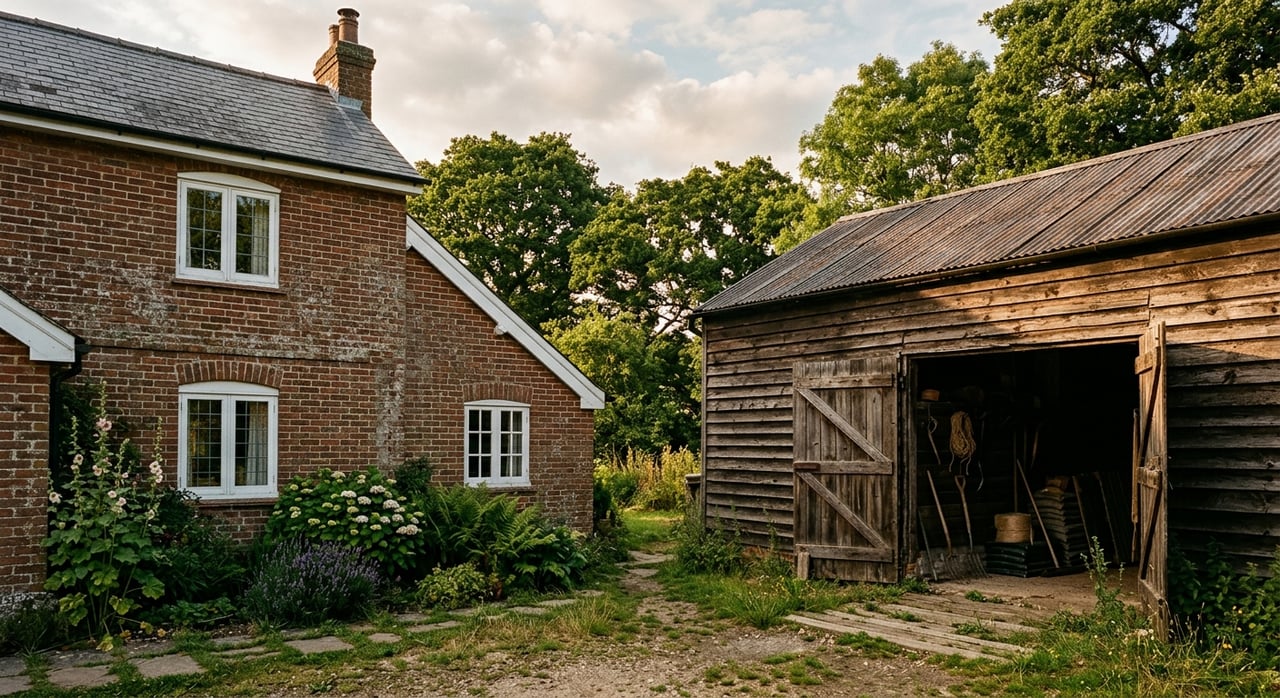
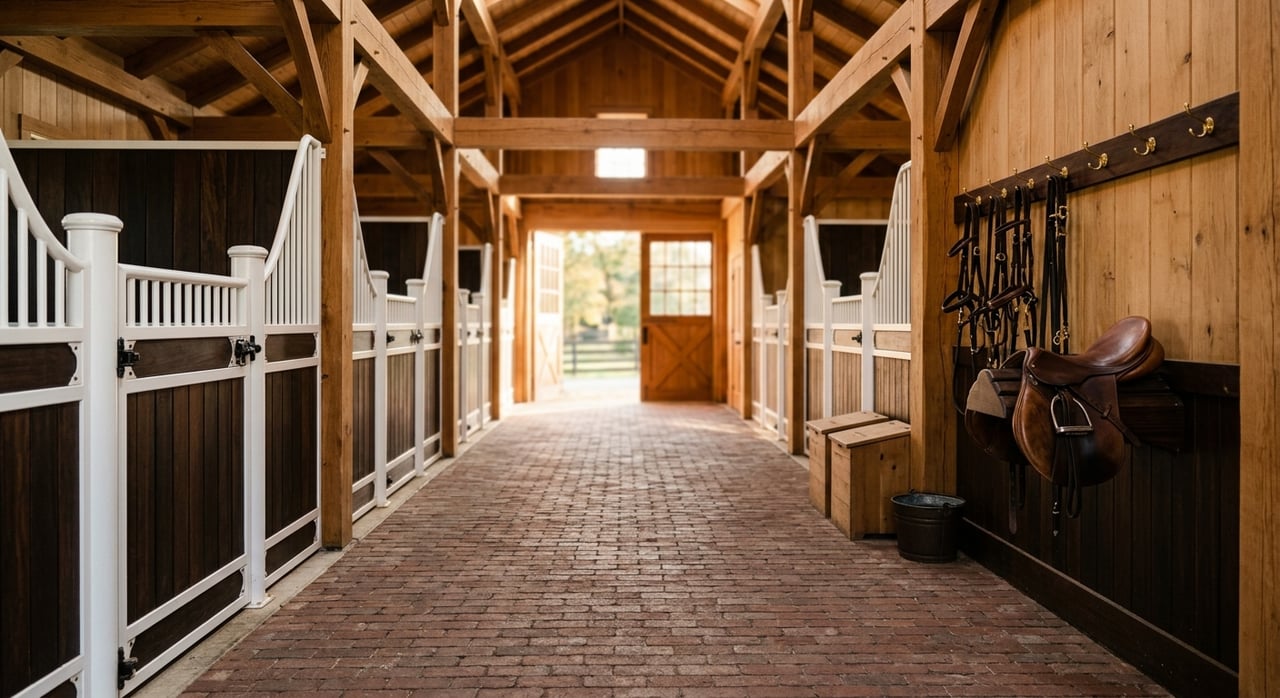
Outbuildings carry real weight on a rural property. Barns, sheds, tack rooms, loafing sheds, detached garages, pole barns, and hay sheds all help shape buyer perception. If these spaces look unsafe, overcrowded, or poorly maintained, buyers may assume the rest of the property has been treated the same way.
Start by removing trash, unused materials, and items you no longer need. Sweep floors, organize tools and supplies, and open up walkways so buyers can move through each structure easily. If a building has a clear purpose, such as equipment storage or animal shelter, help that use read clearly during showings.
If you are considering repairs right before listing, pause and confirm what is allowed first. Clark County says a building permit is required before work begins for construction, repair, moving, removal, or demolition of a structure. That is especially important if you are thinking about last-minute fixes to a barn, shed, or other accessory structure.
Check floodplain and local permit questions
Rural sellers sometimes assume small exterior changes are simple. On acreage, that is not always the case. If your property is in or near a flood-prone area, it is smart to verify flood status before doing grading, fill work, or new construction.
Kentucky guidance says development in an identified floodplain requires both a state and local floodplain permit. The Winchester Planning & Community Development Department oversees local zoning, subdivision regulations, and floodplain management, so it is the right local office to contact before assuming a fence, barn change, or grading project is allowed.
This step matters for marketing too. Buyers may ask whether accessory structures are in a flood hazard area and whether they were properly permitted. Having clear answers can reduce uncertainty and help your listing feel more credible.
Gather your records early
A hobby farm sale often involves more follow-up questions than a standard neighborhood listing. That is why recordkeeping matters. The more organized you are before going live, the smoother buyer conversations tend to be.
Kentucky’s seller-disclosure form asks about basement leaks, roof leaks, water supply, sewage service, and the working condition of major systems. For a Winchester hobby farm, it helps to gather well information, septic history, roof age, HVAC service records, and notes about known drainage or moisture issues before your listing hits the market.
You should also be ready to explain the basics of the property setup. Buyers will likely ask about water and sewage arrangements, the condition of major systems, and the usability of the land. A simple property file with service records, dates, and key details can save time and build trust.
Know your tax and land status
If your acreage is enrolled in Kentucky’s Agricultural District Program, that can be relevant to buyers. Enrolled land can receive agricultural tax treatment and has certain protections related to annexation and condemnation. Before the property is marketed, make sure you know whether that designation applies.
This does not mean every buyer will focus on tax treatment first. It does mean some buyers will want accurate information about how the land is classified and how it has been used. Having that information ready helps you avoid vague listing language and last-minute confusion.
Because Clark County PVA sales searches can filter by acreage, year built, neighborhood, sale type, and other features, expect buyers to compare your property closely against other rural sales. Good records help support the story your price and marketing are telling.
Refresh the house too
Even when the land is the headline, the house still matters. Buyers compare rural properties to other homes on the market, not just other farms. If the interior feels tired, cluttered, or hard to picture living in, that can weaken the overall impression.
According to the staging report, the living room, primary bedroom, and kitchen are the most important interior spaces to stage. Focus on decluttering, neutralizing distractions, and making those rooms feel clean and functional. You do not need a dramatic makeover. You need the home to feel cared for and move-in ready.
Pay attention to everyday maintenance items too. Touch up paint where needed, replace burnt-out bulbs, address obvious leaks, and make sure major systems are working properly. On a property with acreage, buyers often expect some rustic charm. They do not want signs that maintenance has been deferred.
Plan photos around usefulness
Strong listing media is essential for a hobby farm. Buyers need help understanding both the home and the land, and photos do much of that work before anyone schedules a showing. If your media set misses the farm features, buyers may move on before they grasp what makes the property special.
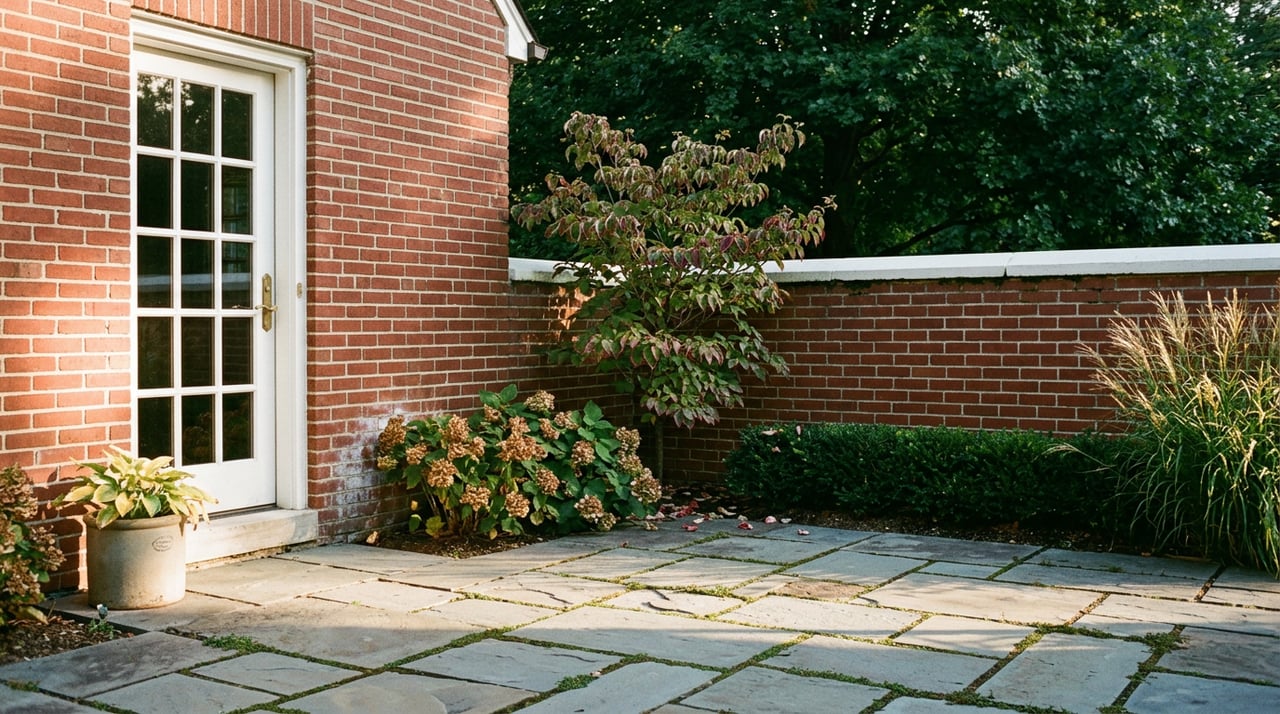
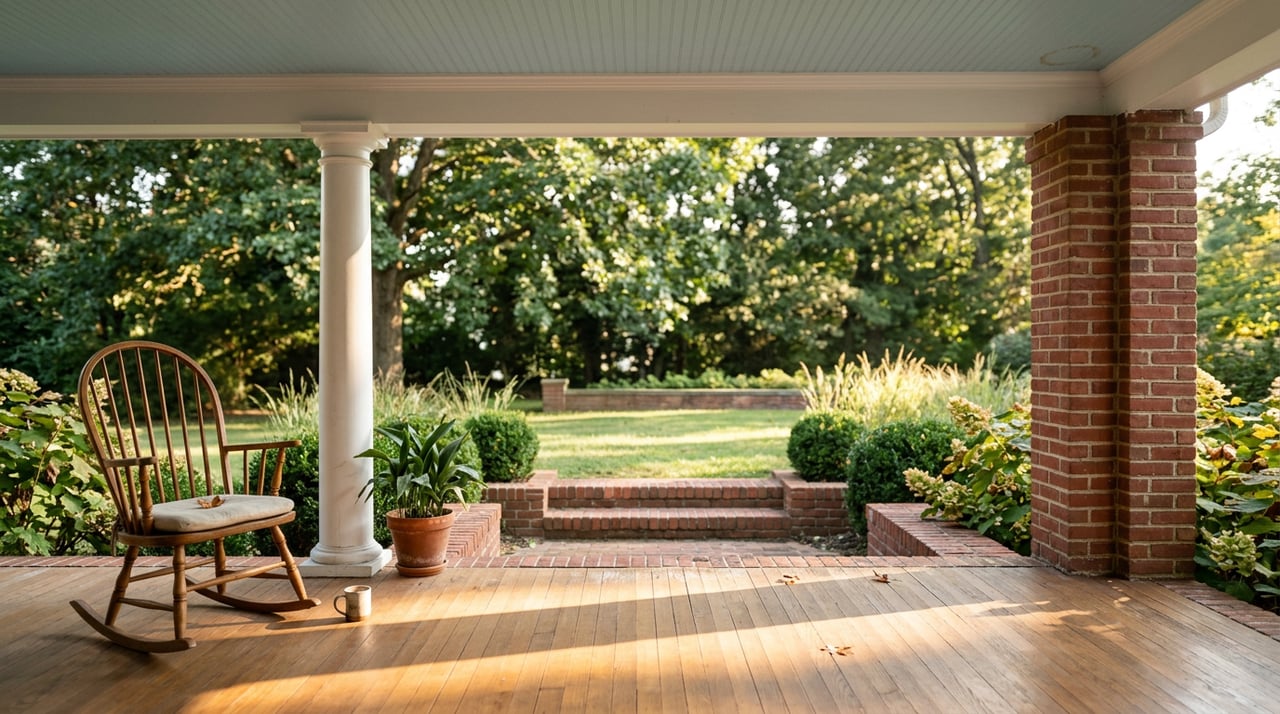
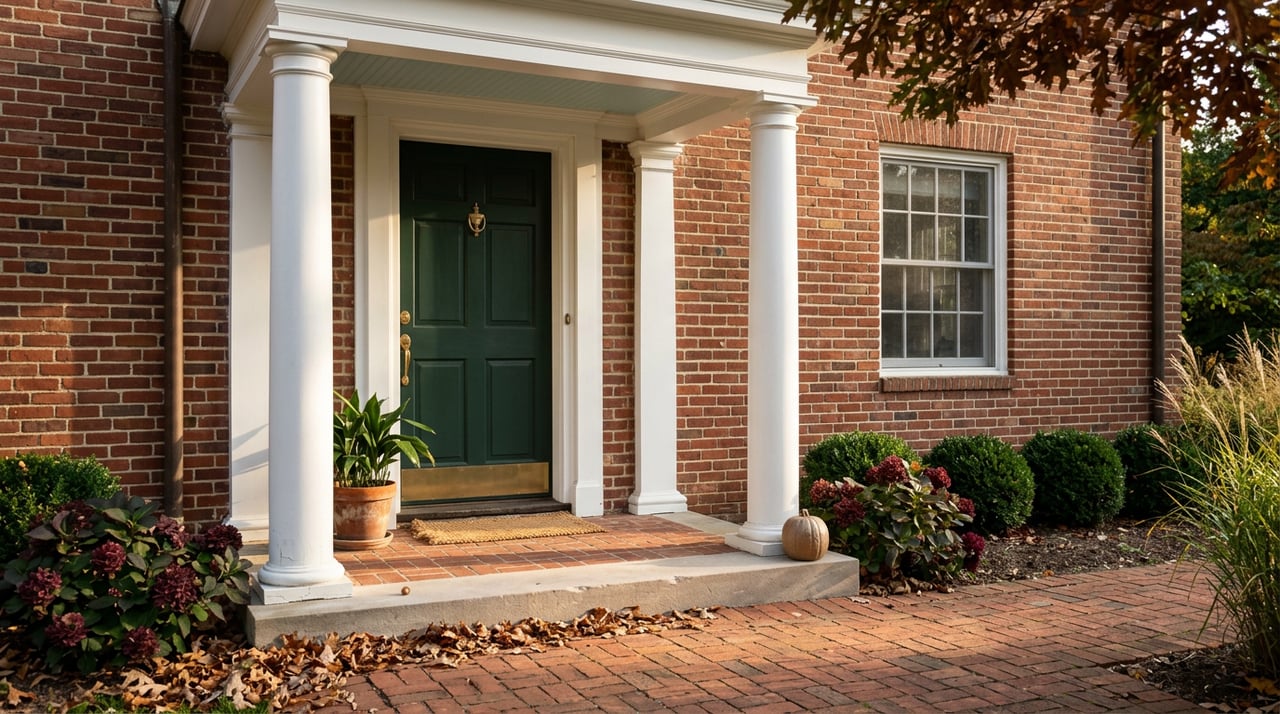
Your photos should show more than pretty rooms. They should include the approach and drive, pasture views, fences, barns, sheds, and any features that explain how the property functions. Think of the photo package as a visual map of the lifestyle the property supports.
Season and timing also matter. Based on nearby Lexington climate normals, late spring and early fall are often the easiest windows for outdoor photography in central Kentucky because temperatures are moderate and landscapes tend to look their best. This is a planning guide, not a rule, but it can help if you have flexibility on when to launch.
Avoid rushed cleanup mistakes
When sellers are trying to get a property market-ready fast, they sometimes create new problems. A common example is starting repair work without checking permit requirements. Another is planning to burn brush or debris without confirming local rules first.
Clark County advises contacting the fire department before burning because the rules and allowed times can change from month to month. If land cleanup is part of your prep plan, take a little extra time to verify what is allowed. A rushed shortcut right before listing is rarely worth it.
If you want guidance on pasture, soil, or land-management questions, the Clark County Extension Office’s Agriculture and Natural Resources program can be a useful local resource. Sometimes a few practical improvements in how the land is maintained can make the property easier for buyers to understand.
Focus on clarity, not perfection
The goal is not to make your hobby farm look like something it is not. Buyers looking at Winchester acreage usually appreciate authenticity. What they need is a property that feels understandable, cared for, and ready to evaluate.
That means clean fence lines, orderly outbuildings, complete records, and clear answers about systems and land use. When buyers can quickly see what the property offers and how it functions, they are in a better position to make a strong decision.
Selling a special-use rural property takes more than putting a sign in the yard. It takes strategy, presentation, and local market knowledge. If you are getting ready to sell your Winchester hobby farm, Janna Smith can help you position the land, the home, and the lifestyle with the tailored marketing and guidance unique properties deserve.
FAQs
What should you clean up before selling a Winchester hobby farm?
- Focus first on field edges, fence lines, gate openings, broken equipment, scrap, feed bags, and clutter in barns or sheds so buyers can clearly understand the land and improvements.
What records should you gather before listing a hobby farm in Clark County?
- Gather well information, septic history, roof age, HVAC service records, and notes about known basement leaks, roof leaks, drainage issues, water supply, sewage service, and major system condition.
Do barn or shed repairs need permits in Clark County?
- Clark County says a building permit is required before work begins for construction, repair, moving, removal, or demolition of a structure.
How important are photos when selling a Winchester acreage property?
- Very important, because buyers often rely on photos to understand both the house and the land, and the media should show the drive, pastures, fences, barns, sheds, and key exterior features.
What questions do buyers ask about Winchester hobby farms?
- Buyers commonly ask about usable acres, fencing, paddocks, wooded versus open ground, water and sewage setups, service records, outbuilding condition, and whether structures are in a flood hazard area.
When is the best time to photograph a hobby farm in Central Kentucky?
- Late spring and early fall are often helpful windows for outdoor photography because temperatures are moderate and the landscape usually presents well, though timing depends on the property and season.