Wondering whether you should live in town or head a little farther out around Georgetown? It is a common question, especially if you want the right mix of convenience, privacy, and value. The good news is that Georgetown and Scott County offer two very different lifestyles, and each can be a great fit depending on how you want to live day to day. Let’s break down what in-town and out-of-town living really look like around Georgetown.
Why Georgetown Feels Different
Georgetown is not just another community outside Lexington. It sits about 15 miles north of Lexington on I-75, and growth has long been shaped by an Urban Service Boundary that helps guide development, preserve rural land, and coordinate utilities and services.
That matters when you start your home search. In practical terms, the choice is often not simply Georgetown versus somewhere else. It is more about whether you want the denser, service-rich pattern inside town or the lower-density rural setting in the surrounding parts of Scott County.
In-Town Georgetown at a Glance
If you like convenience, easier errands, and a more connected daily routine, in-town Georgetown may feel like the right fit. The city is much denser than Scott County overall, with 2,187.8 people per square mile compared with 202.8 in the county.
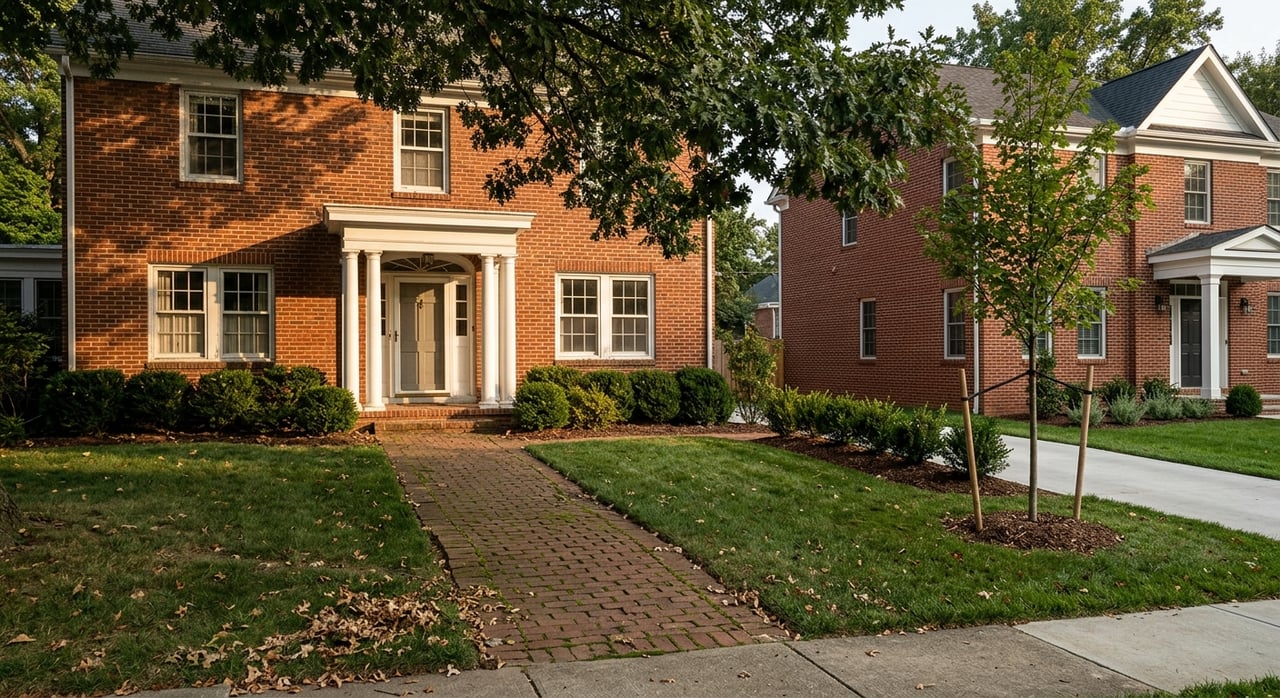
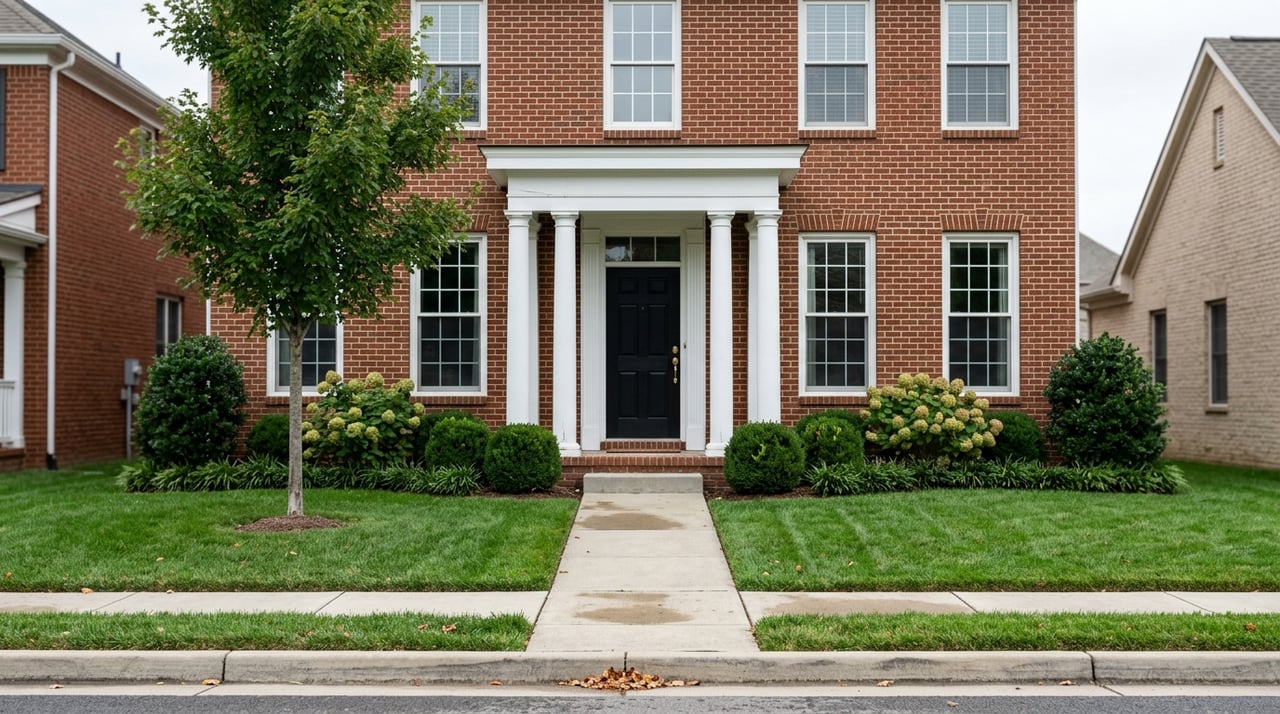
That density usually shows up in the way neighborhoods function. You are more likely to find smaller lots, a neighborhood-style layout, and quicker access to public amenities and daily services.
What in-town living offers
Living in Georgetown gives you access to a range of city-supported conveniences. Bluegrass RIDE provides fare-free transit throughout Georgetown, and Public Works supports downtown cleanup, event support, street maintenance, snow and ice removal, leaf collection, and storm-drain maintenance.
You also get easier access to community activity. The city calendar includes the Scott County Farmers Market at the downtown pavilion, and the local visitors resources highlight historic downtown Georgetown, dining, and nearby attractions such as Kentucky Horse Park, Old Friends Retired Thoroughbred Farm, and Whispering Woods Riding Stables, all within about a 15-minute drive.
Cost may surprise you
Some buyers assume living out in the county is always cheaper. Georgetown’s numbers suggest it is not that simple.
The median owner-occupied home value in Georgetown is $265,400, while Scott County overall is $288,500. Median monthly owner costs with a mortgage are also lower in the city at $1,542, compared with $1,637 in the county.
That does not mean every in-town home costs less. It does mean that more land and more rural features can raise costs, even when you are farther from town.
In-town may fit you if...
- You want easier access to errands, dining, and downtown events
- You prefer city services over managing land systems yourself
- You like the idea of a smaller yard with less upkeep
- You want to stay close to Georgetown’s community resources
- You commute to Georgetown, Toyota, or Lexington and want a predictable routine
Out-of-Town Scott County at a Glance
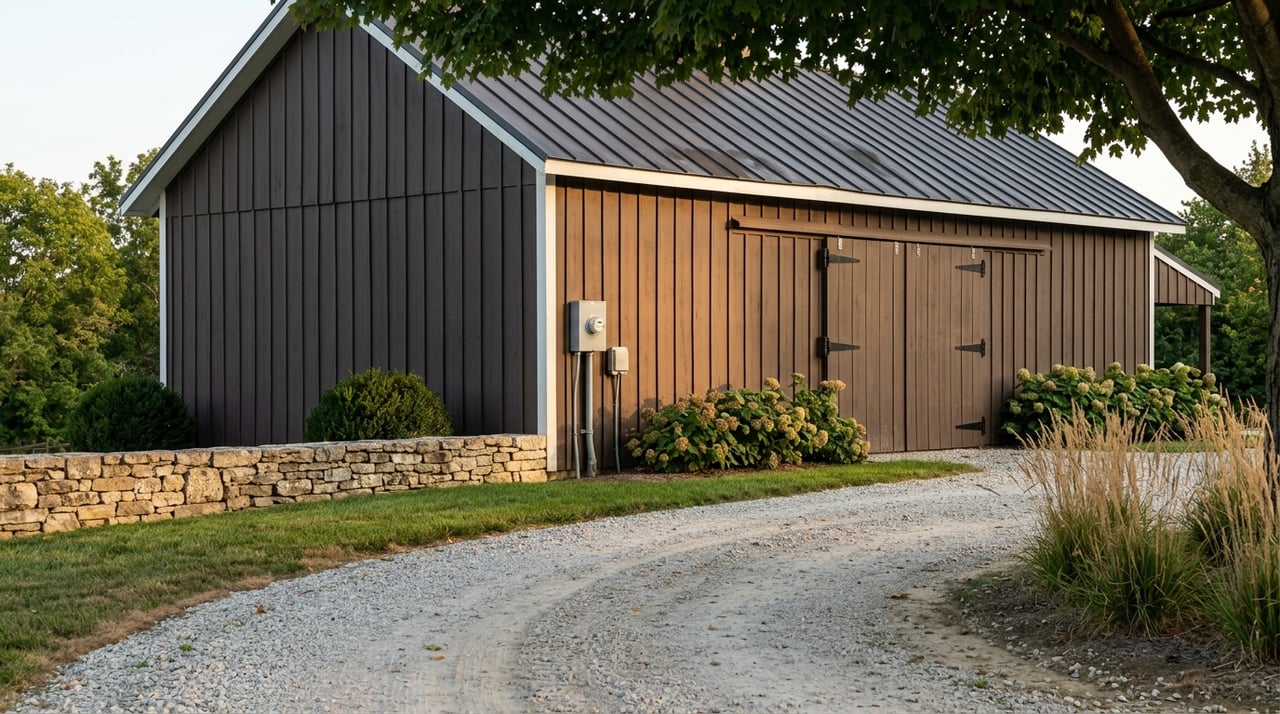
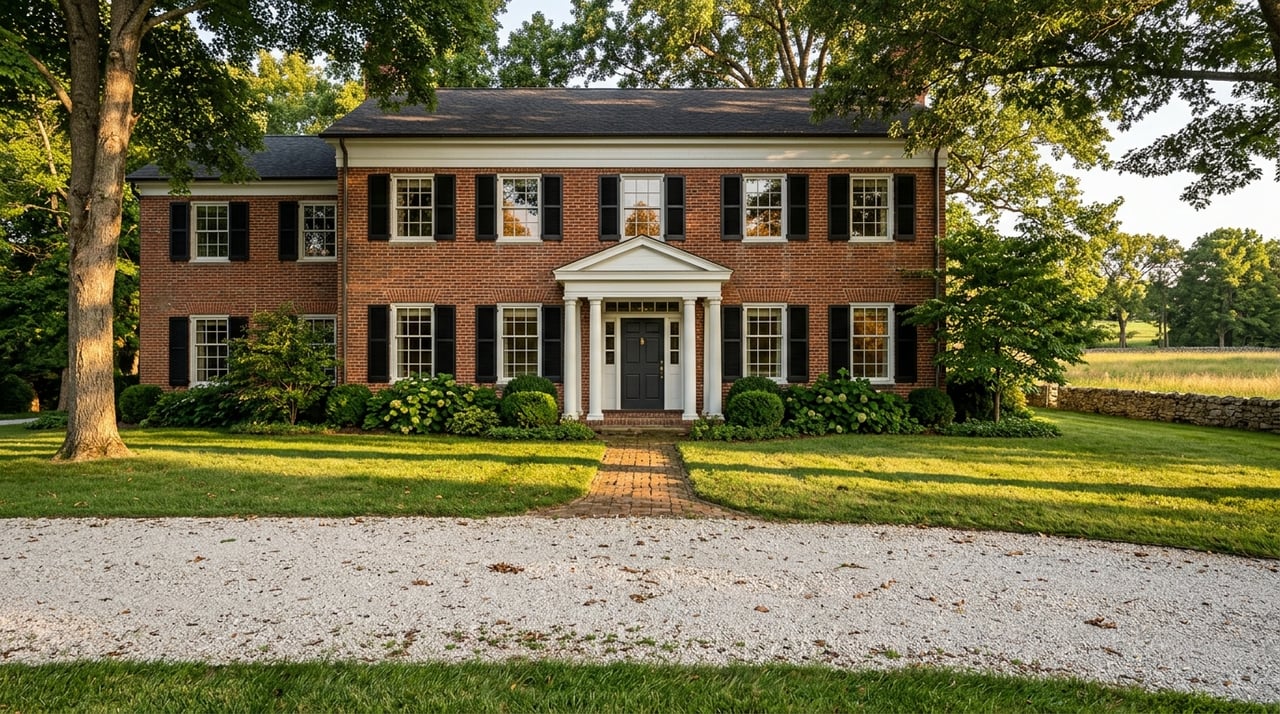
If you picture more space, more privacy, and room to spread out, out-of-town living in Scott County may be the better match. This is where acreage, mini-farm potential, and rural property features become part of everyday life.
For many buyers, the land is the point. You may want room for horses, gardening, a workshop, equipment storage, or simply more distance from neighbors.
Rural zoning shapes what is possible
Scott County zoning gives useful context for buyers looking at larger properties. The A-5 Rural Residential district is intended for very low-density residential use, with lot sizes from five to less than ten acres and a density of one dwelling unit per five acres.
That helps explain why so many out-of-town properties feel very different from a typical subdivision lot. If you are shopping for a mini-farm or a home with usable acreage, these zoning patterns help define what that lifestyle can realistically look like.
Land ownership comes with more questions
Rural living often gives you more freedom, but it also asks more of you as a homeowner. Scott County’s stormwater planning notes that the county is dominated by Lexington limestone, or karst, with sinkholes, sinking streams, springs, and caves.
That makes due diligence especially important. If you are buying outside town, you will usually want to ask detailed questions about drainage, septic capacity, private water supply, driveway access, and ongoing maintenance.
Kentucky guidance also states that private well water is not regulated by the EPA or the state and should be tested annually. The state’s onsite wastewater program includes septic systems and private water supplies, which is another reason rural buyers need to look closely at the property’s systems.
Agricultural use can matter too
If you are considering land for agricultural or horticultural use, acreage can affect tax classification. The Scott County PVA notes that Kentucky agricultural tax classification generally starts at 10 contiguous acres used for production, while horticultural land starts at 5 contiguous acres.
That does not mean every larger property qualifies the same way. It does mean acreage buyers should pay close attention to how the land is currently used and classified.
Out-of-town may fit you if...
- You want five to ten acres or more room to spread out
- You want land for horses, hobbies, gardens, or outdoor projects
- You value privacy and fewer immediate neighbors
- You are comfortable evaluating wells, septic systems, fencing, and drainage
- You want a rural lifestyle, not just a house with a bigger yard
Commute and Job Access
One of the biggest reasons buyers consider Georgetown is location. Georgetown is the county seat and largest city in Scott County, and Toyota Motor Manufacturing Kentucky is located in Georgetown with 9,800 employees reported in 2025.
That job base influences where many buyers want to live. The local 2025 Housing Needs Assessment says residential development areas close to jobs are geographically limited and mostly within Georgetown, while many jobs for people who live and work in Scott County are concentrated around Georgetown and Toyota.
Interestingly, mean travel time to work is fairly similar in the data. Georgetown shows a mean commute of 21.5 minutes, while Scott County overall is 22.2 minutes.
That tells you commute time alone may not decide the issue. Instead, your day-to-day experience may come down more to predictability, road type, property maintenance, and how often you want to run errands or head into town.
How to Decide What Fits Your Lifestyle
The best choice usually comes down to how you want to spend your time. A home that looks perfect on paper can feel less ideal if the upkeep, drive pattern, or lot size does not match your routine.
Ask yourself a few honest questions before you narrow your search.
Questions that often point you in-town
- Do you want to rely on city services and public amenities?
- Do you prefer lower outdoor maintenance?
- Do you want to stay close to downtown Georgetown and daily errands?
- Do you want a neighborhood setting instead of a rural one?
Questions that often point you out-of-town
- Do you want enough land for animals, outbuildings, or projects?
- Do you want more privacy than a typical neighborhood offers?
- Are you prepared for more property systems and maintenance responsibilities?
- Do you want a true rural lifestyle rather than just a larger lot?
Three Common Buyer Profiles
Sometimes the easiest way to decide is to picture where you fit.
The in-town fit
You may be a strong in-town match if you commute to Toyota or Lexington and want quick errands, downtown access, and a lower-maintenance yard. In-town Georgetown can make daily life feel simpler if convenience is high on your list.
The out-of-town fit
You may be an out-of-town match if you want a horse property, hobby farm, or space for outdoor living and projects. Buyers in this category often know that the right property is about more than square footage. It is about usable land and the lifestyle that comes with it.
The middle-ground fit
Some buyers want Georgetown’s location but need more room than a standard neighborhood lot provides. That middle-ground search can include properties with more land, without going all the way to a large farm tract.
Why This Choice Matters in Georgetown
Georgetown and Scott County continue to balance housing demand with preservation of agricultural land. The 2025 Housing Needs Assessment notes pressure to preserve agricultural areas even as housing demand rises.
That makes your decision especially local. In this market, choosing in town or out of town is not just about preference. It is also about understanding how growth, land use, and available housing options shape what is possible.
Whether you want a neighborhood home with convenience or acreage with room to breathe, the right move starts with matching the property to your real lifestyle. If you want help sorting through Georgetown neighborhoods, commuter-friendly homes, or acreage properties in Scott County, Janna Smith can help you find the fit that makes sense for your goals.
FAQs
Is in-town Georgetown usually cheaper than out-of-town Scott County?
- Not always. Census data shows Georgetown’s median owner-occupied home value and median monthly owner costs with a mortgage are lower than Scott County overall, which suggests rural land and features can increase costs.
What is the main benefit of living in-town in Georgetown?
- In-town Georgetown offers easier access to city services, fare-free transit, downtown events, and daily conveniences, along with generally smaller lots and less outdoor maintenance.
What should buyers check on a rural Scott County property?
- Buyers should ask about septic systems, private water supply, well testing, drainage, driveway access, and general land maintenance, especially because Scott County includes karst features such as sinkholes and springs.
Can I find mini-farm style properties around Georgetown?
- Yes. Scott County’s A-5 Rural Residential district is designed for very low-density residential use with lot sizes from five to less than ten acres, which often aligns with mini-farm or rural-residential living.
Is the commute much shorter if I live in-town Georgetown?
- The Census data shows mean travel times to work are fairly close, at 21.5 minutes in Georgetown and 22.2 minutes in Scott County overall, so the bigger difference may be convenience and daily routine rather than commute time alone.