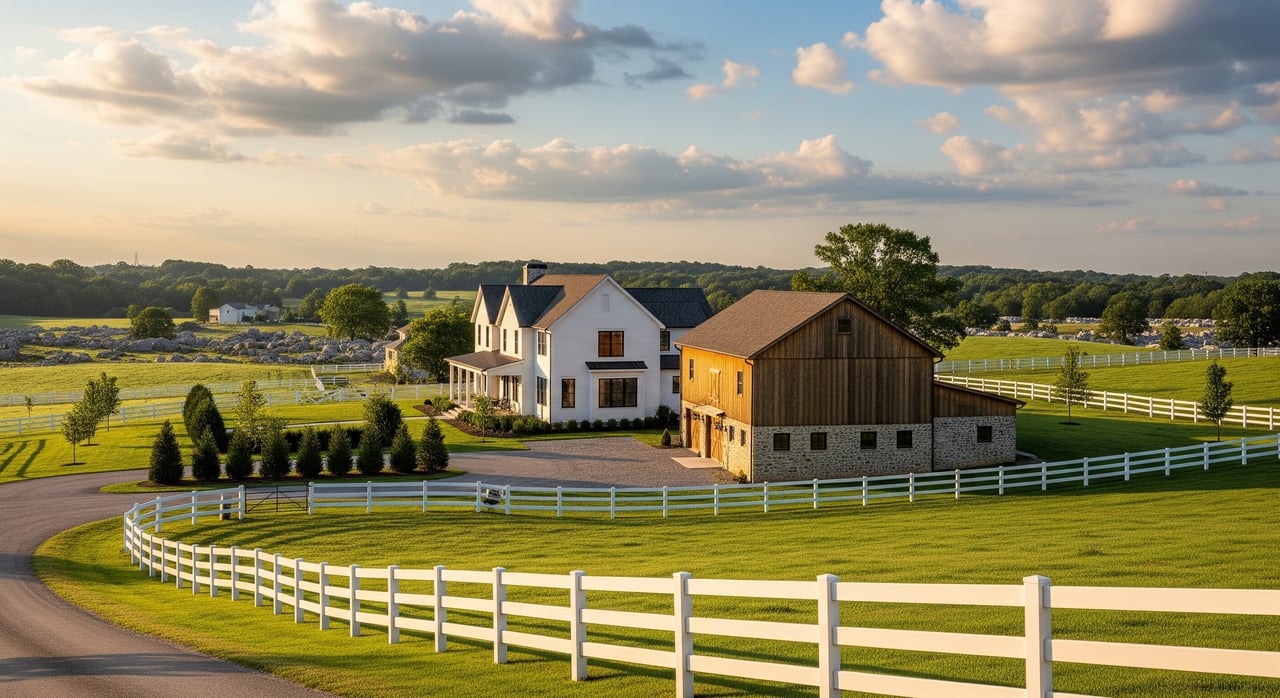
Picture yourself sipping coffee on a quiet porch while the sun hits rolling pasture. You still want grocery runs, medical care, and work in Lexington to be easy. If you are weighing a move to 1-10 acres near Nicholasville, you should know what everyday life really looks like. This guide covers daily rhythms, upkeep, utilities, rules, costs, and smart steps so you can buy with confidence. Let’s dive in.
Life on 1-10 acres in Jessamine County
Small acreage around Nicholasville puts you close to Lexington conveniences. Many properties are a 15 to 30 minute drive from major shopping, the University of Kentucky, medical centers, and specialty farm suppliers. The area sits in Kentucky’s Bluegrass region, where equine culture and rural landscapes shape local life.
Buyers who choose a few acres usually want privacy, room for hobbies, or space for animals. Common uses include pasture for horses or miniature livestock, gardens and small orchards, poultry, beekeeping, and simple barns or outbuildings.
Daily chores and time
Life on a few acres includes steady, hands-on work. If you keep animals, daily routines will include feeding, watering, and checking fences. Coop or stall cleaning, parasite control, and health checks add time.
Gardens and orchards follow the seasons. You will plan around the last frost, summer maintenance, fall harvest, and winter prep. Even without animals, mowing and upkeep on 1-10 acres take longer than a suburban yard.
- With livestock and a garden, expect several hours of chores most days during peak seasons.
- Many owners front-load work on weekends to free up weekdays.
Land care and seasonal tasks
Managing a few acres is about steady maintenance. Plan for:
- Pasture and lawn care: Field mowing, weed control, reseeding, and rotational grazing if you keep animals. Pastures may need periodic fertilization and fence repair.
- Fencing: Regular inspection and repair of post-and-rail, wire, or electric lines. Fencing is a recurring time and cost item for livestock owners.
- Trees and erosion: Prune limbs, address hazard trees after storms, control invasives, and watch for erosion on slopes.
- Driveways: Gravel drives often need grading and fresh gravel. In winter, snow and ice clearance may be up to you.
- Outbuildings and equipment: Clean barns and coops, and service mowers, tractors, and sprayers.
- Waste and manure: Plan for composting or removal, especially if animal numbers grow.
Utilities and services to expect
Rural utilities can differ from in-town service. Before you buy, verify what is already in place and what you will need to add.
- Water: Many small-acreage homes use private wells. You are responsible for regular testing for bacteria and nitrates, and for pump maintenance or replacement if needed.
- Sewer: Septic systems are common. Proper siting and percolation are critical. Plan for routine inspections and pumping.
- Electricity: Service often comes from a regional utility or electric cooperative. Storms can cause outages, especially where lines are above ground.
- Internet and phone: Options vary by address. Parcels closer to town may have cable or fiber, while more remote sites often use fixed wireless or satellite. Reliable service can be a make-or-break issue for remote work.
- Trash and recycling: Private haulers commonly handle pickup. Schedules, routes, and pricing vary by location.
Safety, emergency and insurance
Response times in rural zones can be longer. Many areas rely on volunteer fire departments, and distance to a hydrant or station can influence insurance premiums.
Insurance for rural homes may differ from standard suburban policies. You may need coverage for barns or other outbuildings and, in some cases, for livestock. Ask carriers about well and septic requirements and any documentation they need.
Animals, gardens and ponds
Nicholasville-area small acreage supports a range of hobby-farm activities.
- Livestock and poultry: Horses, goats, and chickens are common on county parcels. Daily care includes feed, water, shelter, and fencing. Confirm local rules before bringing animals home.
- Gardens and orchards: Central Kentucky’s temperate climate supports vegetables, fruit trees, and pasture. Match planting to your parcel’s frost dates and microclimate, and plan for small-scale irrigation during dry spells.
- Ponds: Small ponds are common and useful for livestock water or habitat. Expect ongoing maintenance, including sediment and aquatic plant management. Larger ponds and dams may have state safety or permitting requirements.
Soil, drainage and climate basics
Bluegrass soils often perform well for pasture and some crops, but conditions can vary a lot from parcel to parcel. Depth, drainage, and underlying rock all matter for building, septic siting, and pond work.
- Get a soils map for the property and a professional evaluation where needed.
- Pay attention to wet spots, steep slopes, or areas prone to erosion.
- Plan your plantings around local frost dates and microclimates on the site.
Rules and permits to check
Regulations can differ based on whether you are inside Nicholasville city limits or in unincorporated Jessamine County. Confirm jurisdiction early.
- Zoning and ordinances: Agricultural uses are often allowed in rural zones, but there may be setback rules or limits on animal types or numbers. Some subdivisions have covenants.
- Wells and septic: New wells and onsite septic systems require permits and testing through the county health authority. Subdivision or new construction usually triggers site evaluations and percolation tests.
- Building permits: Barns, garages, and other structures often need permits. Agricultural buildings may follow different standards but still require approval.
- Environmental rules: Streams, wetlands, and pond dams can fall under state or local rules. Check requirements before you disturb soil or alter waterways.
- Property taxes for agricultural use: Kentucky offers programs that can reduce taxes for qualifying agricultural land. Requirements can include minimum acreage or documented farm activity. Confirm details with the local assessor.
For specifics, contact Jessamine County Planning and Zoning, the Jessamine County Health Department, the Property Valuation Administrator, the local Cooperative Extension office, and the Kentucky Division of Water.
Costs you should budget
A few acres can deliver a big lifestyle return, but costs stack up. Plan for both upfront and ongoing items.
- Upfront: Well drilling or upgrades, septic installation or repair, driveway work or culverts, fencing, and outbuildings. These can be significant line items.
- Ongoing: Fuel and maintenance for equipment, utilities, property tax, insurance, mowing and brush control, tree work, and internet service.
- Time: The biggest hidden cost. Chores and land care add hours each week, especially if you keep animals.
What affects resale in this area
Marketability in Jessamine County often hinges on practical factors.
- Proximity to Lexington and major roads that make commuting easier.
- Reliable utilities and internet service at the address.
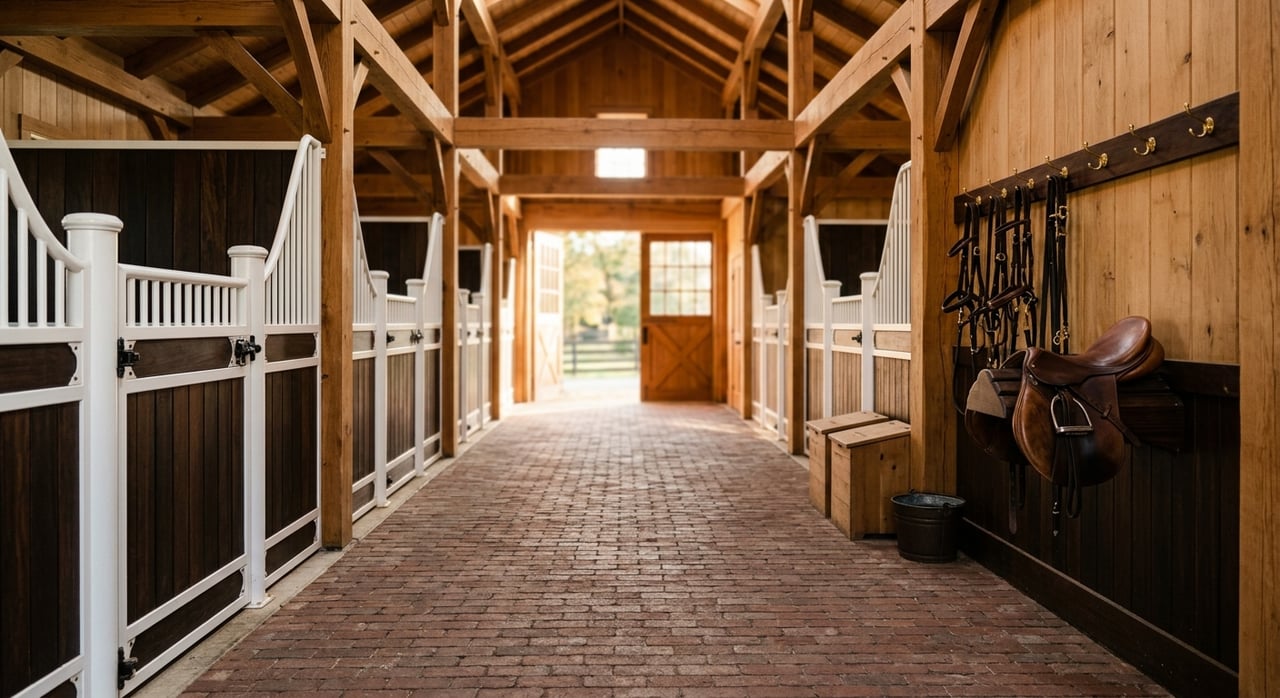
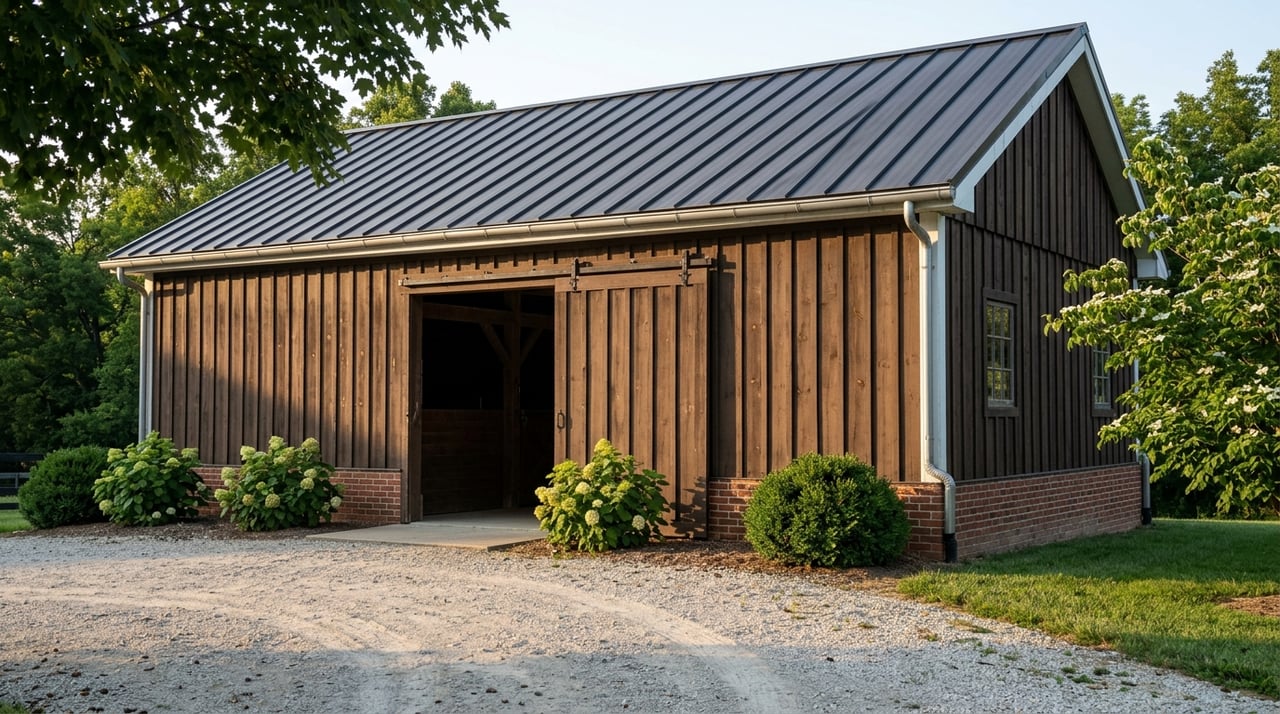
- Usable barns or outbuildings and well-maintained fencing.
- Good access and driveway condition, including culverts and drainage.
- Parcel shape, gentle topography, and frontage on a paved road.
- Healthy soils and drainage that support septic and pasture.
Smart steps before you buy
Use this checklist to reduce surprises and protect your budget.
- Confirm whether the property is inside Nicholasville city limits or in the county, then review the applicable ordinances.
- Obtain a soils map and a professional septic site evaluation.
- Test an existing well, or plan and budget for a new well.
- Ask about any history of flooding, drainage problems, or sinkholes.
- Verify electric service provider and internet options at the specific address.
- Inspect fencing, barns, and outbuildings, and estimate repair or replacement costs.
- Check fire district coverage and discuss insurance implications with a carrier.
- Research whether agricultural use valuation could apply to your land.
- Visit at different times of day and week to note traffic, noise, and nearby activity.
Is small acreage right for you?
If you love the idea of privacy, animals, and homegrown food, 1-10 acres near Nicholasville can fit beautifully. The tradeoff is time, steady maintenance, and a few rural systems to learn. With clear expectations and the right property, everyday life can feel both peaceful and productive.
If you want a partner who understands acreage, local rules, and the realities of rural utilities, connect with a trusted local guide. Reach out to Janna Smith for a friendly consult and a shortlist of properties that match your lifestyle and budget.
FAQs
Can I keep horses or chickens on small acreage near Nicholasville?
- Often yes in county jurisdictions, but animal allowances inside Nicholasville city limits can be more limited, so confirm local ordinances and any subdivision covenants before you buy.
Will I need a private well and septic system for a 1-10 acre property?
- Many small-acreage homes use a private well and septic system, so verify existing systems and plan for testing, permits, and site evaluations if new installation is needed.
How reliable is rural internet service in Jessamine County?
- It varies by address, with some closer-in parcels getting cable or fiber and more remote sites using fixed wireless or satellite, so run provider checks for the exact property.
How much daily work should I expect with a few animals and a garden?
- Plan for several hours of chores per day in peak seasons, including feeding, watering, fence checks, and garden maintenance, with many owners batching bigger tasks on weekends.
Can agricultural use lower my property taxes on a small acreage?
- Kentucky offers agricultural assessment programs that can reduce taxes if eligibility rules are met, so confirm criteria with the local Property Valuation Administrator.
What features help a small acreage near Lexington hold value?
- Desirable factors include a short commute to Lexington, reliable utilities and internet, good access and drainage, usable barns, solid fencing, and gentle topography with road frontage.