Thinking about buying a rental in Mount Sterling but not sure how to spot a solid return? You’re not alone. Many small investors want steady income without big-city prices or headaches. In this guide, you’ll learn how the Mount Sterling market works, what drives demand, how to estimate rents, and the quick math you can use to screen deals with confidence. Let’s dive in.
Mount Sterling at a glance
Mount Sterling sits along the I-64 corridor in Montgomery County, which is a major plus for both renters and investors. For tenants, the highway makes commuting to larger job centers practical. For you, it makes property management, contractor access, and supply runs simpler. Always confirm drive times for your likely tenant base before you buy.
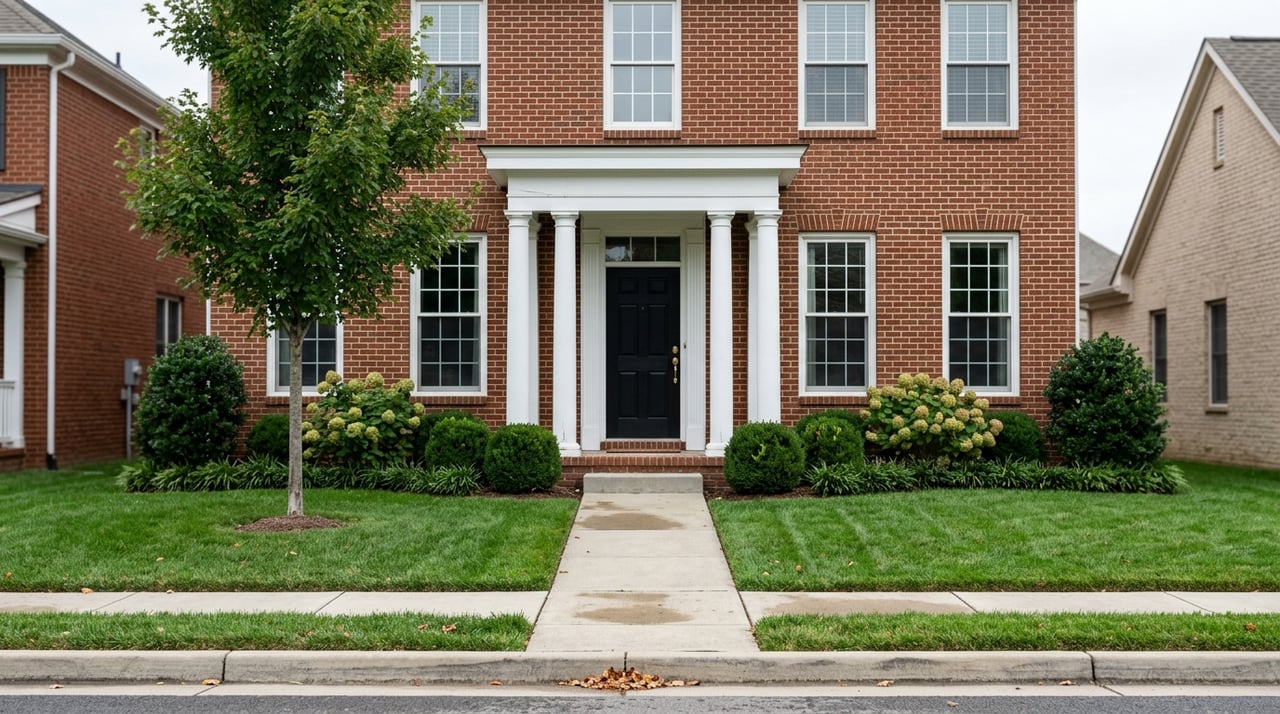
The market has a compact historic downtown, older single-family homes in town, and newer subdivisions toward the outskirts. You’ll see more single-family rentals and small duplexes or conversions than large apartment buildings. The tenant base is a mix of local workforce, public-sector staff, small households, and commuters looking for affordability and straightforward access.
What rents look like and how to verify
Rents in small Central Kentucky towns are generally lower than in larger metros. The exact number you can achieve depends on bedroom count, condition, location within Mount Sterling, and whether utilities are included. Because rents change quickly, use a simple, repeatable process to pin down realistic ranges before you make an offer.
Here is a practical rent-verification checklist:
- Pull live rental comps. Check multiple platforms for Mount Sterling and broader Montgomery County. Record asking rents by bedroom count and property type.
- Compare medians by zip code with third-party rent tools to sanity-check what you see in listings.
- Call 1–2 local property managers. Ask for typical market rents for single-family rentals and small multifamily, common vacancy assumptions, and lease-up timelines.
- Review county-level HUD Fair Market Rents by bedroom size. Use these as baseline benchmarks, not guarantees.
Pro tip: Create a simple spreadsheet with address, bed/bath, property type, condition notes, included utilities, and asking rent. Aim for at least 10 to 20 relevant comps so you can see the pattern rather than relying on a single outlier.
Key ROI factors in Mount Sterling
Demand drivers
- I-64 connectivity. Easy highway access helps attract commuters to larger employment centers and supports steady tenant interest.
- Local employers and services. Schools, healthcare, and local government offices provide consistent base demand.
- Relative affordability. Renters who want lower monthly costs than bigger cities may look to Mount Sterling for value.
Supply-side realities
- Limited large multifamily. Most rentals are single-family homes, duplexes, or smaller conversions. New single-family subdivisions can shift local supply; watch county permitting and planning activity.
- Zoning and conversions. If you’re considering adding units or converting a property, confirm the zoning rules and permitting requirements with city or county offices early.
Operating expenses and maintenance
- Older housing stock. Many homes near downtown are older and can require higher maintenance or capital improvements. Plan for roofing, foundation, plumbing, and electrical updates when you budget.
- Utilities and billing. Confirm local utility rates and who pays what. Separate utilities reduce your exposure to variable costs.
- Property management. Expect typical single-family management fees in the 8 to 12 percent range of collected rent. Ask managers what is included and what is billed separately.
Taxes, insurance, and local rules
- Property taxes. Small differences in county and city tax rates can meaningfully change net operating income. Pull the actual bill from the assessor before you underwrite.
- Insurance. Premiums vary by age and condition of the home and any flood risk. Get a quote tied to the specific property address.
- Local ordinances. Check for any rental registration, inspection requirements, or other landlord-tenant rules that affect timing and costs.
Vacancy, turnover, and rent growth
- Vacancy can be more sensitive to economic shifts in small towns than in large metros. Use county-level data and local manager input to set a realistic vacancy allowance.
- Rent growth is often modest but steady when local employment is stable. Build your plan around conservative assumptions.
Financing and cap rates
- Conventional financing for single-family rentals is widely available. Small multifamily may require different underwriting through portfolio or commercial lenders.
- Cap rates in small Kentucky towns have historically been moderate to higher than urban cores to reflect perceived risk. Always lean on recent local sales to gauge what buyers are paying for income streams today.
Quick-deal math you can run today
A simple, consistent framework helps you compare properties fast. Use conservative inputs, then refine as you gather better data.
Step 1: Gather hard inputs
- Purchase price
- Expected monthly rent (use conservative market rent, not a best-case number)
- Annual property taxes and insurance
- Any landlord-paid utilities
- Property management cost (percent or flat fee)
- Maintenance and capital reserves (start with 5 to 10 percent of gross rent for single-family; increase for older homes)
- Vacancy allowance (often 5 to 10 percent; confirm with local data)
- Financing terms if using a loan (down payment, interest rate, amortization, points)
Step 2: Run the core formulas
- Gross rental income = monthly rent
- Effective gross income = rent × (1 − vacancy rate)
- Operating expenses = taxes + insurance + utilities + management + maintenance reserves
- Net operating income (NOI) = effective gross income − operating expenses
- Cash flow before tax = NOI − debt service
- Cash-on-cash return = annual cash flow ÷ total cash invested (down payment + closing costs + initial repairs)
- Simple cap rate = NOI ÷ purchase price
Step 3: Use screening thresholds
Investors often look for cap rates that compensate for effort and risk. In small-town settings, preliminary targets may fall in the mid-single digits to low double digits, depending on property class and your strategy. For cash-on-cash, many conservative buyers aim for 6 to 12 percent after financing. Treat these as starting points and verify with local comps and your financing terms.
Step 4: Quick screen rule of thumb
If you are in a hurry, apply a 30 to 50 percent expense-and-vacancy rule as a first pass. For many well-kept single-family rentals in small towns, assuming 35 to 45 percent of gross rent toward operating costs plus vacancy is a conservative place to start. Older properties or those with included utilities may land on the higher side.
Touring properties: what to look for
Pre-tour preparation
- Pull 30 to 60 active rental listings in Mount Sterling and Montgomery County to confirm rent ranges by bedroom and property type.
- Compile 12 to 24 sold comps from the last year for similar homes so you can judge pricing.
- Call city or county offices to confirm zoning and any rental licensing or inspection needs.
- Speak with 1 to 2 local property managers to fine-tune rent, vacancy, and maintenance assumptions.
On-the-ground checklist
- Neighborhood and access
- Proximity to I-64 and commute routes for your target tenants
- Nearby essentials like grocery, healthcare, and public services
- Exterior condition
- Roof, gutters, siding, foundation, and drainage around the structure
- Driveway and parking availability
- Interior systems
- HVAC age and service history, water heater, electrical panel capacity and safety, plumbing material and condition
- Kitchen and bath condition relative to competing rentals
- Safety and code
- Working smoke and CO detectors, egress, signs of moisture or pests
- Consider lead-based paint risks in pre-1978 homes and potential asbestos in older materials
- Yard and exterior upkeep
- Trees, fencing, sheds, lawn demands and associated maintenance costs
- Revenue and expense clues
- Bedroom and bathroom count compared with local rent leaders
- Deferred maintenance that may trigger near-term capital projects
- Landlord logistics
- Ease of access for contractors, storage for supplies, and the presence of reliable local vendors
Post-tour due diligence
- Order a full home inspection and get contractor bids for immediate repairs.
- Pull the current property tax bill and check for assessments.
- Get an insurance quote tied to the address and structure details.
- Update your pro forma with verified rents, expenses, and vacancy data.
Strategy examples: SFR vs small multifamily
Single-family rentals are the most common target for small investors in Mount Sterling. They are easier to finance with conventional loans and often attract longer-term tenants. The tradeoff is that one vacancy is 100 percent vacant. You can cushion this with conservative reserves and strong tenant screening.
Small multifamily, like duplexes or 2 to 4 units, can increase income per parcel and spread vacancy risk across multiple units. These properties are less common locally, and conversions may be limited by zoning. If you find one that fits the rules and location, run a careful line-item budget that accounts for shared systems and any landlord-paid utilities.
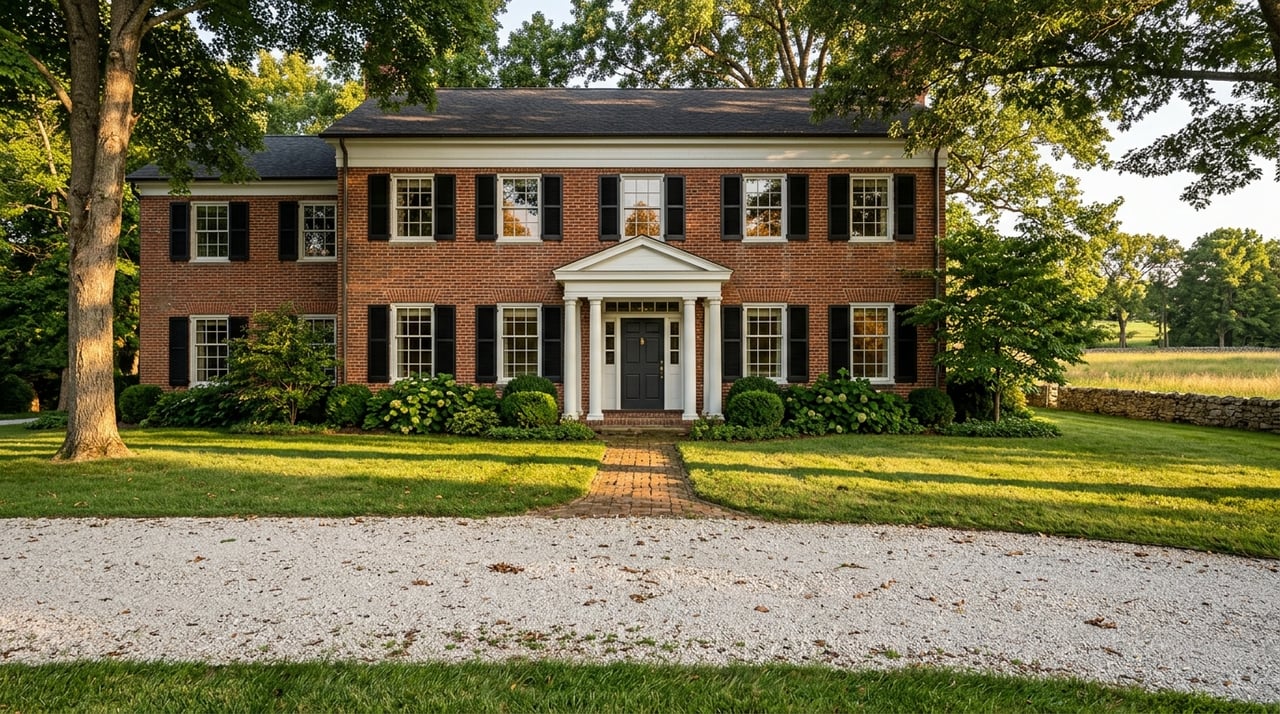
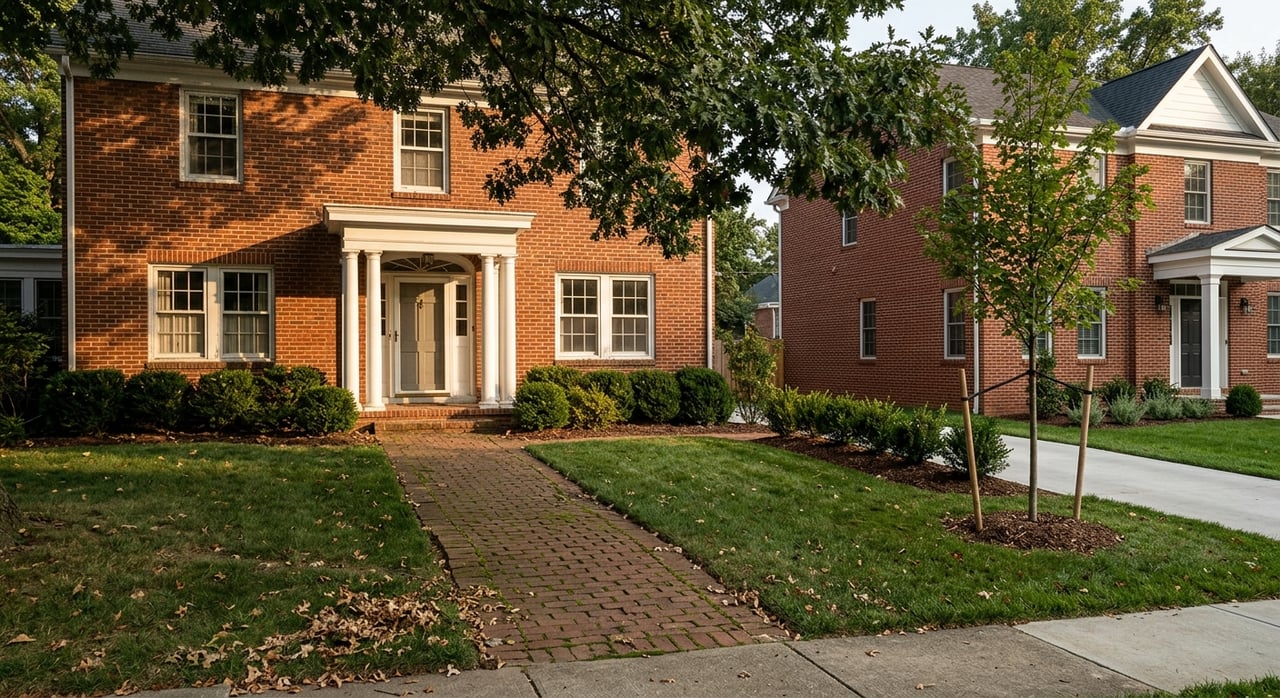
Older historic homes near downtown can draw long-term renters who value character. They can also require higher upfront maintenance and ongoing upkeep. Build in stronger capital reserves and prioritize safety upgrades and system reliability to protect your investment.
Bringing it together: your Mount Sterling playbook
- Start with tenant fit. Decide who you want to serve: local workforce, commuters, or small families. Then pick neighborhoods and property types that match their commute and budget.
- Verify rents before you underwrite. Use live comps, manager input, and county-level benchmarks to confirm realistic numbers.
- Budget conservatively. Older housing and landlord-paid utilities can shift your expenses. Use a higher maintenance reserve until you see a year of actuals.
- Keep your process consistent. Apply the same formulas to every property so your comparisons are apples-to-apples.
- Stay close to the ground. Check county planning for new supply, confirm local ordinances, and review employment trends periodically.
Work with a local advisor who knows both town and country
You do not have to figure this out alone. With deep roots in Central Kentucky and a track record across suburban homes, acreage, and commuter-friendly properties, Janna helps you connect the dots between lifestyle goals and the numbers that make an investment work. From pulling the right rent comps and recent sales to planning an efficient tour along the I-64 corridor, you get a calm, high-touch process designed for confident decisions.
Ready to evaluate Mount Sterling rentals with a clear plan and local insight? Connect with Janna Smith to start your search and run the math together.
FAQs
Is Mount Sterling more affordable than larger Kentucky metros for investors?
- In general, yes. Small Central Kentucky towns tend to offer lower purchase prices and rents than bigger cities, which can open the door to better entry points for small investors.
What tenant profiles are common in Mount Sterling rentals?
- Expect a mix of local workforce, small families, and commuters who value affordability and direct highway access along I-64.
How should I estimate market rent for a Mount Sterling property?
- Pull current local listings by bedroom and property type, compare with rent tools at the zip level, speak with property managers for practical comps, and check county-level HUD benchmarks.
Are duplexes and small multifamily easy to find in Mount Sterling?
- They exist but are less common than single-family rentals. Always confirm zoning and permitting if you plan to convert or add units.
What are the biggest risks to my rental ROI in older Mount Sterling homes?
- Higher maintenance and capital needs for roofs, foundations, plumbing, and electrical systems, plus potential utility cost exposure if services are not separately metered.