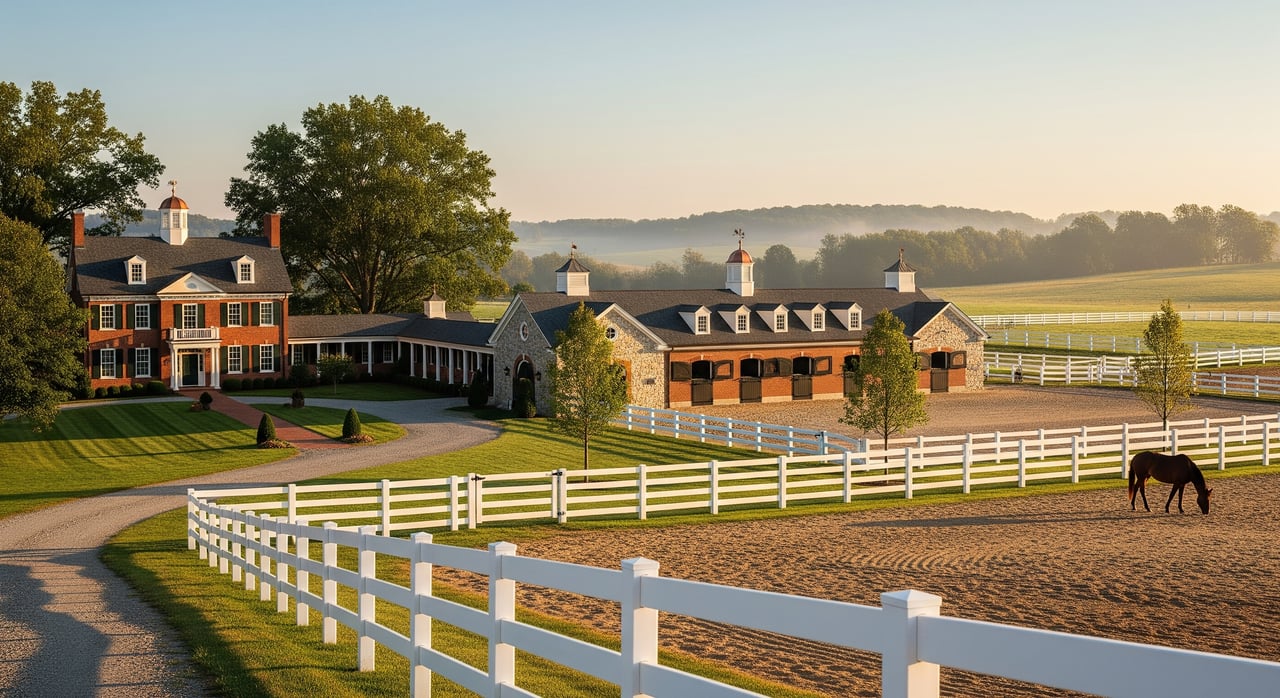
Are you dreaming of a horse farm in Versailles but unsure which features truly matter? You are not alone. In Woodford County’s Bluegrass heart, the right setup can make daily care easier, keep horses healthy, and protect your investment. In this guide, you will learn the barn, pasture, fencing, and arena features buyers prioritize in Versailles, plus smart upgrades sellers can make to stand out. Let’s dive in.
Why Versailles horse farms attract buyers
Bluegrass advantages
You are shopping in a region known for world-class Thoroughbred breeding and training. That heritage sets the bar for property features and overall functionality. Buyers often look for small training operations, breeding-ready setups, or peaceful retiree accommodations that match the Bluegrass reputation for high-quality horse care.
Proximity to Lexington resources
Convenience matters. Many buyers want a short drive to veterinarians, specialty farriers, feed and tack suppliers, and sales or training venues in the Lexington area. Being close to services, paved road access, and easy route options adds daily efficiency and can boost a property’s appeal.
Check zoning, permits, and utilities
Before you fall in love, confirm that the property supports your specific equine use. Review Woodford County Planning and Zoning rules for barns, run-ins, setbacks, and accessory structures. Ask for any deed restrictions, conservation easements, or HOA rules. For daily operations, confirm reliable water sources for livestock and adequate septic capacity for the residence or staff housing.
Barn features buyers want
Stall size and flexible layout
Most buyers look for safe, comfortable stalls around 12 by 12 feet for performance or breeding horses. Removable partitions or convertible stalls add flexibility for foaling or larger horses. Sellers who highlight stall counts, dimensions, and conversion options make it easier for buyers to visualize their program.
Safe aisles and smart workflow
Wide, straight aisles around 10 to 12 feet help horses and equipment move safely. Buyers also value defined zones: a separate tack room, a feed room with rodent-resistant storage, and a dedicated wash or grooming area with proper drainage. Clear, efficient circulation reduces daily labor and risk.
Ventilation and natural light
Good airflow is not optional. Ridge vents, cupolas, and well-placed windows help control humidity and reduce respiratory issues. Abundant natural light improves visibility and creates a healthier barn environment.
Storage for feed, tack, and equipment
A lockable, climate-considerate tack room is a big plus. So is a feed room with cleanable surfaces and pest control measures. Ample hay storage that protects forage from moisture and allows easy unloading is a frequent request.
Wash, vet, and quarantine spaces
A dedicated wash bay with non-slip flooring, hot and cold water, and drainage is one of the most noticed upgrades. Buyers also appreciate a safe cross-tie or farrier area. If possible, an isolation stall or small quarantine space shows you are ready for new arrivals and responsible biosecurity.
Reliable utilities and lighting
Barns should have sufficient electrical capacity for de-icers, water heaters, and lighting on timers where practical. Hot water is highly valued for wash stalls and sanitation. Thoughtful switches and outlet placement add convenience and safety.
Paddocks and pastures that work
Run-in sheds and turnout design
Horses need weather protection. Buyers look for at least one run-in shed per turnout area, sized for the group and set on well-drained footing. Multiple paddocks support rotational grazing, group management, and rest for high-traffic areas.
Fencing that fits your herd
In the Bluegrass, well-maintained board fencing remains popular for visibility and aesthetics. Pipe or metal rail offers durability with low maintenance. Woven wire with a top board contains mixed livestock and is useful for perimeters. Electric tape or strand is often used for cross-fencing or behavioral control but is typically not preferred as the only perimeter for high-value horses. Safety, visibility, and condition are what buyers weigh most.
Water access and freeze protection
Reliable, frost-protected waterers are a major selling point. Multiple water points reduce herd crowding and help distribute grazing pressure. If a property relies on a well, buyers will ask about well yield and water quality, especially if several troughs and barn use draw from the same source.
Pasture health and manure management
Productive pasture is a big advantage in Kentucky, but it depends on soil testing, reseeding, and consistent rotational grazing. Buyers appreciate records showing lime and seed applications and any pasture improvements. A clear manure-handling plan, such as a composting area or designated storage and removal, signals good management and helps control labor and odor.
Riding arenas and daily operations
Outdoor and indoor arenas
A level outdoor arena with quality footing and drainage attracts both pleasure riders and competitors. An indoor arena is a strong advantage in Kentucky’s variable weather and can significantly increase interest. Buyers will ask about base construction, footing type, and how the arena drains after rain.
Trailer access and parking
A practical driveway with a wide turning radius can seal the deal. Hard-surfaced trailer parking near the barn, plus a separate washout or cleaning area, adds real-world convenience for those who show, haul to clinics, or visit sales.
Staff housing and security
For full-time operations, an on-site manager’s or groom’s apartment can be a difference-maker. Security lighting, lockable tack and feed rooms, and solid gates wide enough for trailers are practical features buyers expect.
Location and lifestyle factors
Access to equine services
Buyers want reasonable drive times to equine veterinarians, skilled farriers, and feed and tack suppliers. Being close to these services lowers operating friction and helps during emergencies.
Markets, events, and training
Access to sales venues, training centers, and regional events adds value. Shorter drives save fuel and time and make it easier to maintain a regular show or sales schedule.
Commute and community context
Many equestrian buyers balance barn life with work and family schedules. Commute times to Lexington and access to community amenities can shape your buyer pool. Keep descriptions of nearby schools and neighborhoods neutral and factual, and focus on distances and drive times.
Smart seller upgrades that earn attention
- Refresh or repair the main barn. Fix stalls, improve aisle drainage, add or service ventilation, and ensure reliable lighting and hot water.
- Upgrade visible fencing on paddocks and road frontage. Safe, attractive fencing is one of the first things buyers notice.
- Improve water systems. Service wells, add frost-proof hydrants, and make sure automatic waterers are dependable.
- Add or define a wash bay and an isolation stall. These signal strong horse-care readiness.
- Create clear trailer access and parking. Mark turning areas and consider a hardened surface for heavy rigs.
- Establish a tidy hay storage area and a visible manure management plan. Show an organized, low-labor system.
Disclosures and documents to have ready
- Survey with paddock fencing, easements, and acreage allocations.
- Well capacity and water-quality test results; septic permits and any inspection reports.
- Recent soil tests and pasture renovation records.
- Service history for barn, roofing, and electrical work; proof of permits or zoning approvals.
- Copies of any deed restrictions or conservation easements affecting equine use.
Buyer quick-check list
- Total acreage versus fenced, usable pasture acreage.
- Stall count, stall sizes, and condition of doors and partitions.
- Barn utilities, including hot water, ventilation, and electrical capacity.
- Fencing types and condition for perimeter and cross-fences.
- Water supply, well yield, number of waterers, and freeze protection.
- Driveway surface, turning radius, and trailer parking layout.
- Arena base, footing, and drainage condition.
- Manure handling and composting or removal plan.
- Drive times to veterinarians, farriers, feed suppliers, and sales or training venues.
- Zoning and any deed restrictions or easements.
- History of equine use, including any known infectious disease events.
Next steps
Whether you are buying your first horse property or refining an existing operation, focus on layout, safety, and daily efficiency. In Versailles and greater Woodford County, these features protect your horses and your time while supporting pasture health and long-term value. If you would like a property-by-property assessment or help positioning your farm for the right buyers, connect with Janna Smith for a local, farm-savvy plan.
FAQs
What barn features matter most for Versailles horse farms?
- Safe stalls around 12 by 12 feet, wide aisles, defined tack and feed rooms, a wash bay with drainage and hot water, strong ventilation, and reliable electrical service.
How important is fencing type in the Bluegrass?
- Buyers expect safe, visible, and well-maintained fencing, often board or pipe rail on showcase areas, with woven wire or electric used strategically for perimeters or cross-fencing.
Do I need an indoor arena in Woodford County?
- An indoor is a strong plus for year-round work, but a well-drained outdoor arena with quality footing and a solid base also attracts many buyers.
What should I confirm about water for horses?
- Verify well yield and water quality, count water points across paddocks, and confirm frost-proof hydrants or freeze-protected waterers for winter reliability.
How can sellers make quick, high-impact improvements?
- Repair barn safety items, refresh visible fencing, confirm hot water and electrical capacity, define a wash bay and isolation stall, and improve trailer access and parking.
What paperwork should sellers prepare for equestrian buyers?
- Provide a survey, water and septic documentation, soil and pasture improvement records, service history for structures, and copies of any easements or restrictions.