If you own a horse property in Versailles, you already know buyers are not looking at it like a standard house with land. They are studying whether the farm works, how safely it functions, and how clearly that value shows up from the first photo to the final showing. If you want to make a strong impression and help buyers understand what sets your property apart, thoughtful preparation matters. Let’s dive in.
Why Versailles horse properties need a different approach
Woodford County sits in one of Kentucky’s core equine areas, and that shapes buyer expectations. The county includes more than 123,000 acres of agricultural land and is a major part of the region’s farm economy, with strong ties to the horse industry.
That means your buyer may be looking at far more than square footage, bedroom count, or total acreage. They may be asking whether the fencing makes sense, whether the pastures are productive, and whether the barn layout supports daily horse care. A well-prepared property helps answer those questions before they are even asked.
Start with safety and first-impression repairs
When you are getting ready to list, focus first on items that affect both safety and buyer confidence. Horse-property buyers tend to notice operational issues quickly, especially in barns, paddocks, and fence lines.
Barn safety comes first
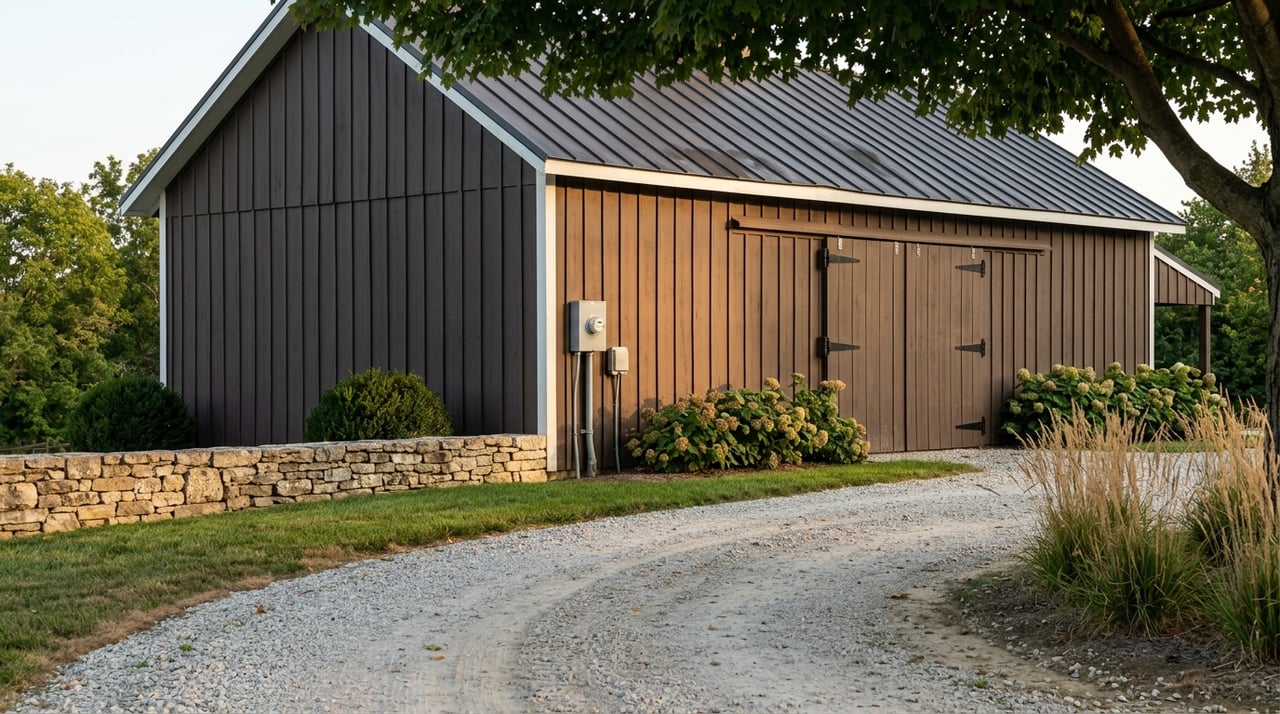
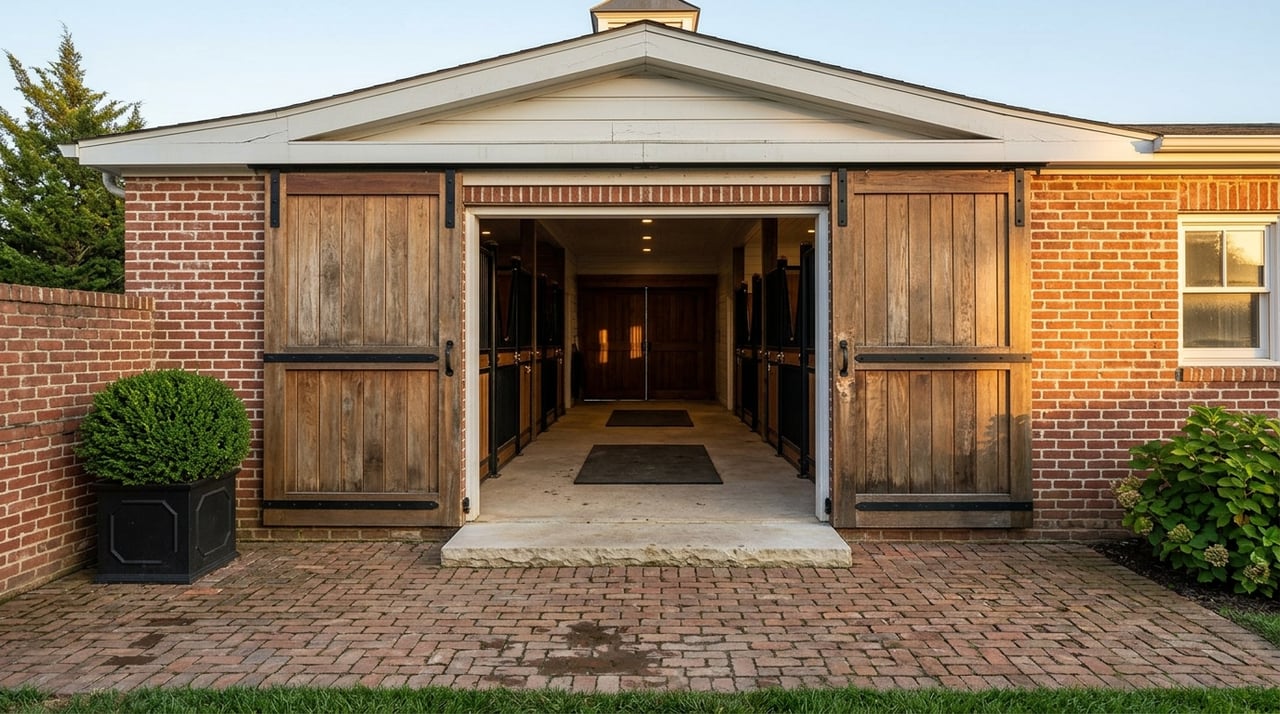
University of Kentucky Extension guidance points to several basics that matter in any working barn. Clean, uncluttered aisles, good ventilation, protected light bulbs, clean electrical outlets, and doors that open fully all support a safer and more usable setup.
Before your property goes on the market, walk the barn as if you were seeing it for the first time. Remove loose items, tidy tack and feed areas, and make sure the space feels bright, clean, and easy to move through. Buyers should see function, not friction.
It also helps to check practical safety details that signal responsible ownership. Fire extinguishers near exits, an outside water supply, and hay or bedding stored away from the stable when possible all strengthen the impression that the property has been managed with care.
Fencing deserves close attention
Fence condition is one of the fastest ways a buyer will judge a horse property. University of Kentucky Extension notes that there is no single best fence for every farm, but construction quality and maintenance are essential.
In Versailles, many buyers will be familiar with the traditional four-board look often seen on Kentucky farms. Whether your property uses board fencing, electric subdivision fencing, or a combination, the key is that it looks secure, consistent, and well maintained.
As you prepare for the market, look for:
- Broken or leaning boards
- Sagging gates
- Unsafe gaps or loose wire
- Uneven or damaged posts
- Areas where visibility is blocked by overgrowth
Even small fence repairs can have a big impact on how your property photographs and how buyers feel when they tour it.
Improve pasture condition before listing
Pasture quality tells buyers a lot about how a horse property performs. In a market like Woodford County, healthy fields are not just attractive. They are part of the value story.
Show buyers that the land is functional
University of Kentucky Extension notes that good pasture can provide much of a horse’s nutrition for maintenance or light work and can also offer safe footing. That makes visible pasture condition especially important when your property is being compared against other acreage listings.
If your fields look thin, tired, or patchy, buyers may assume deferred maintenance. If they look managed and vigorous, buyers are more likely to see the property as usable from day one.
Address weeds, bare spots, and traffic areas
Weed management matters for both appearance and usability. UK Extension recommends removing poisonous weeds such as poison hemlock and prioritizing weeds that reduce grazing value.
For sellers, the most noticeable problem areas are often:
- Fence-line weeds
- Thick growth around waterers
- Compacted high-traffic spots
- Undergrazed sections
- Bare or muddy patches near gates
You do not need to make the farm look artificial. You do want it to look actively managed. Clean field edges and more even pasture presentation can go a long way in listing photos and in-person tours.
Use soil and fertility work wisely
Routine soil sampling and fertility management can also support stronger pasture appearance. UK Extension recommends regular soil sampling, with annual sampling when manure is applied, because manure changes nutrient levels quickly.
Fertilizer and lime decisions should be based on soil tests rather than guesswork. If you have recent management records or a clear maintenance routine, that can help support the overall story that the land has been thoughtfully cared for.
Clean up manure, drainage, and fly issues
Nothing undercuts a showing faster than odors, flies, or wet, muddy areas near the barn. These details affect both comfort and buyer perception.
Manure management shapes the whole impression
UK Extension says a typical horse can produce about 50 pounds of manure and 10 pounds of urine per day, plus soiled bedding when stalled. That adds up quickly, which is why waste handling is such a visible part of horse-property readiness.
Before listing, make sure manure storage areas are orderly and as unobtrusive as possible. If you compost on site, the area should look intentional and managed, not forgotten.
Drainage and sanitation matter
Flies breed in moist manure and decaying organic matter, and UK Extension recommends sanitation, drainage, and weekly cleaning to break fly life cycles. Buyers may not say much during a tour, but they notice wet footing, standing water, and insect pressure right away.
Pay close attention to areas around:
- Barn entrances
- Waterers
- Run-in sheds
- Gates
- Feed and bedding zones
If those spaces drain well and stay clean, your property will feel easier to own and operate.
Prepare the house for photos and showings
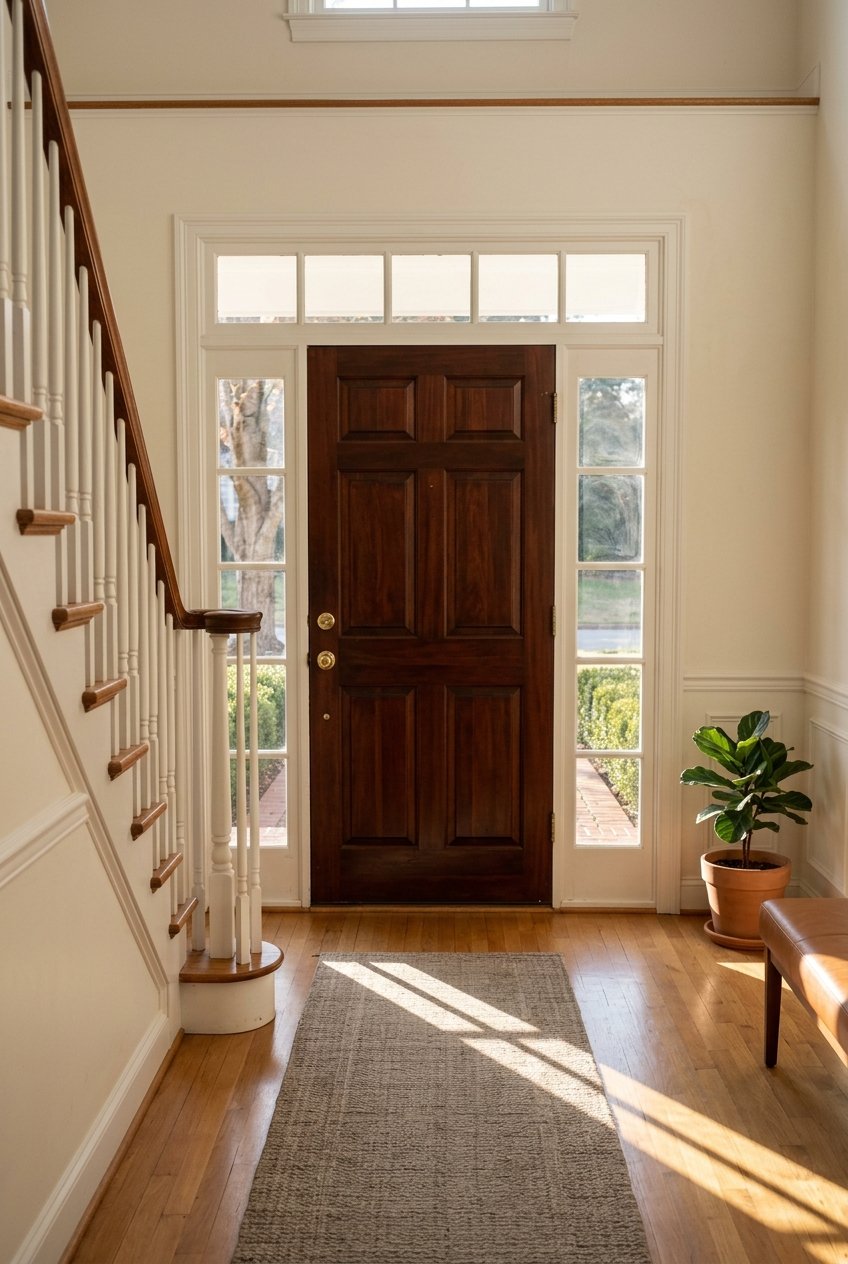
Even on a horse property, the residence still matters. Great acreage and solid farm features can lose momentum if the house feels cluttered or dim online.
Get the home camera-ready
According to National Association of REALTORS guidance, photos often magnify clutter, grime, and awkward furniture placement. That means small distractions can look bigger in listing images than they do in person.
Before your photo day, focus on the basics:
- Deep clean surfaces and floors
- Declutter counters and open areas
- Open blinds for natural light
- Remove magnets and distracting wall art
- Simplify furniture placement for easier flow
Taking a few test photos with your phone can help you spot problem areas before the professional shoot. A clean, bright house supports the larger story that the entire property has been maintained well.
Build a listing story horse buyers understand
A strong horse-property listing should do more than sound pretty. It should help buyers understand how the property works.
Highlight the features that prove usability
Your marketing materials should clearly document the details horse buyers care about most. Based on the research and local buyer behavior, those often include stall count, barn dimensions, hay storage, fencing type, paddock arrangement, water sources, drainage, and separate tack or work areas.
This is where precision matters. Instead of vague language, buyers respond better to factual, usable details that match what they will see in person.
Use photos that explain the layout
High-resolution photography is essential, especially for special-use rural property. For larger acreage, aerial images can also be helpful when they clearly show layout, access, paddock arrangement, and the relationship between the house, barn, and fields.
Your photos should answer practical questions at a glance. Can buyers understand the pasture setup? Can they see how horses move from barn to paddock? Can they tell where hay, tack, or equipment fit into the daily flow? When the answer is yes, your listing becomes easier to trust.
Verify zoning before making claims
Before your horse property goes live, confirm that your marketing language matches the property’s actual zoning and permitted uses. This is especially important if you plan to mention riding stable use, agricultural division potential, boarding possibilities, or future expansion.
Woodford County’s ordinance defines agricultural use to include pony and horse productions and lists riding stables as a principal permitted use in the A-1 Agricultural District. The ordinance also states that a division of land for agricultural use that does not involve a new street is not treated as a subdivision.
Those details are useful, but they should never be assumed from memory or generalized across properties. The safest approach is to verify the current zoning status before advertising special uses or future possibilities. Careful, accurate language protects both your listing and your credibility.
A practical pre-listing checklist
If you want a simple place to start, focus on the items buyers will notice fastest:
- Repair visible fence damage and check gate function
- Clean barn aisles, stalls, and storage spaces
- Improve ventilation, lighting, and general barn order
- Remove weeds, especially along fences and near waterers
- Tidy manure areas and address fly pressure
- Improve drainage in muddy or compacted zones
- Deep clean and declutter the house
- Gather accurate property details for marketing
- Verify zoning before making use or division claims
You do not need to overhaul every inch of the farm before listing. You do need to make it easy for buyers to see safety, usability, and care.
When a Versailles horse property is presented well, buyers can connect the lifestyle appeal with the practical value. That is often what turns casual interest into strong showing activity and more confident offers. If you are thinking about selling and want a plan tailored to your land, barn, and market position, Janna Smith can help you prepare your property with a smart, local strategy.
FAQs
What should I fix first on a Versailles horse property before listing?
- Start with safety and visibility items such as fence repairs, barn lighting and wiring, ventilation, clean aisles, weed control, and manure handling.
What do buyers look for in Versailles horse-property photos?
- Buyers usually want photos that show pasture condition, stall count, barn layout, fencing, water access, drainage, and separate handling or storage areas.
How important is pasture condition when selling a horse property in Woodford County?
- Pasture condition is very important because it helps signal that the property is functional, maintained, and ready for horse use.
Should I mention boarding or future split potential in my Versailles listing?
- Only describe uses or future possibilities that match the property’s actual zoning and have been verified before the listing goes live.
Does the house matter as much as the barn and land on a horse property?
- Yes. Buyers may be focused on the horse setup, but a clean, bright, uncluttered house still shapes first impressions online and during showings.