Thinking about buying a home in Georgetown, Kentucky? You are not alone. Many buyers are drawn to its small-town feel, job stability from local industry, and easy access to Lexington. If you are starting your search, the key is understanding how the Georgetown housing market works and how to read the numbers so you can move with confidence.
In this guide, you will learn what data matters, how Georgetown’s micro-markets differ, what to know about commutes and new construction, and the steps to take to get ready. You will also get practical offer strategies that fit local conditions. Let’s dive in.
Market basics for Georgetown buyers
As of mid-2024, buyers across Scott County are tracking a few core metrics to judge pace and competition. These include active inventory, median sale price trends over the past 6 to 12 months, days on market, sale-to-list price ratio, and months of inventory. The most reliable, timely data comes from the local MLS and the Lexington-Bluegrass Association of REALTORS.
How to read the numbers
- Inventory: Fewer active listings usually means more competition and faster decisions. More inventory gives you options and negotiating room.
- Median price: Look at year-over-year change and 6 to 12 month trends, not just a single month. That smooths out seasonal swings.
- Days on market: Short DOM suggests strong demand. Longer DOM can mean slower segments or overpricing.
- Sale-to-list ratio: Over 100 percent often points to bidding competition. Below 100 percent can mean room for concessions.
- Months of inventory: A low number signals a seller-leaning market. A higher number points toward more balance or buyer leverage.
Where to check current data
For the latest Scott County stats, start with the Lexington-Bluegrass Association of REALTORS and your agent’s MLS reports. For statewide context, review Kentucky REALTORS monthly market summaries. If you want to understand the area’s household and housing stock context, browse the U.S. Census QuickFacts pages.
Micro-markets and what to expect
Georgetown is made up of several distinct micro-markets. Your experience will vary by area and price point. Here is a quick buyer’s view of the most common segments.
Historic downtown
Older single-family homes and historic properties line the streets near the town center. Inventory is usually limited since fewer homes come up for sale. When a well-priced, renovated property hits the market, competition can be strong.
Consider the trade-offs: character and walkability versus smaller lots and older systems. If a home is in a preservation area, factor in rules for exterior changes. Plan extra diligence on HVAC, plumbing, electrical, and roof ages.
Suburban subdivisions near town
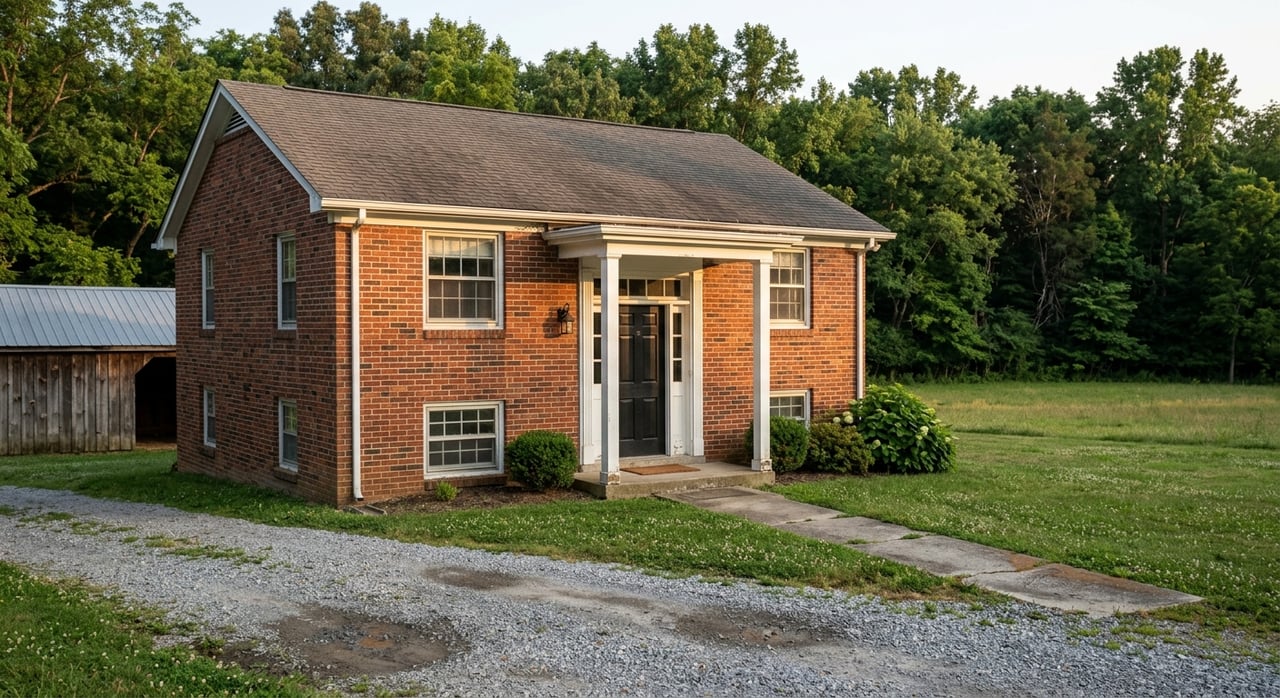
You will find newer single-family homes with typical lot sizes, sidewalks, and nearby parks. These neighborhoods often appeal to buyers who want a yard and neighborhood amenities. Inventory is usually more available than downtown, though demand can be high in popular price bands.
Check HOA rules and fees and ask about builder warranties on newer homes. Compare features against recent resales so you understand value and potential maintenance savings.
Near Toyota and employment corridors
Proximity to Toyota Motor Manufacturing Kentucky and related employers supports steady demand in nearby subdivisions. Many buyers prioritize a short commute or predictable daily drive.
Expect pockets of strong interest tied to hiring cycles and shift patterns. Weigh commute convenience against potential exposure to industrial traffic or noise. Resale appeal to other employees is often a plus in these areas. Learn more about the employer’s local footprint at Toyota Motor Manufacturing Kentucky.
Rural outskirts and acreage
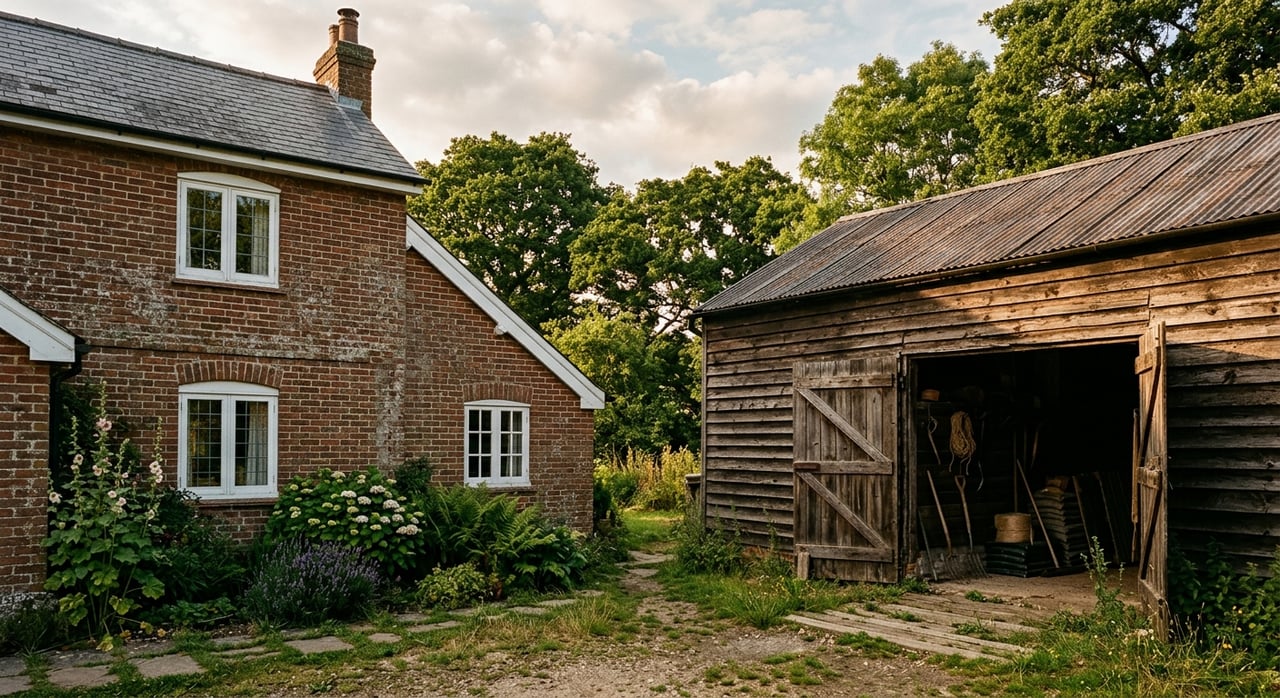
Larger lots, farmettes, and properties with outbuildings show up more often as you move out from town. Sales can take longer because each property is unique, and price per acre plus utilities matter.
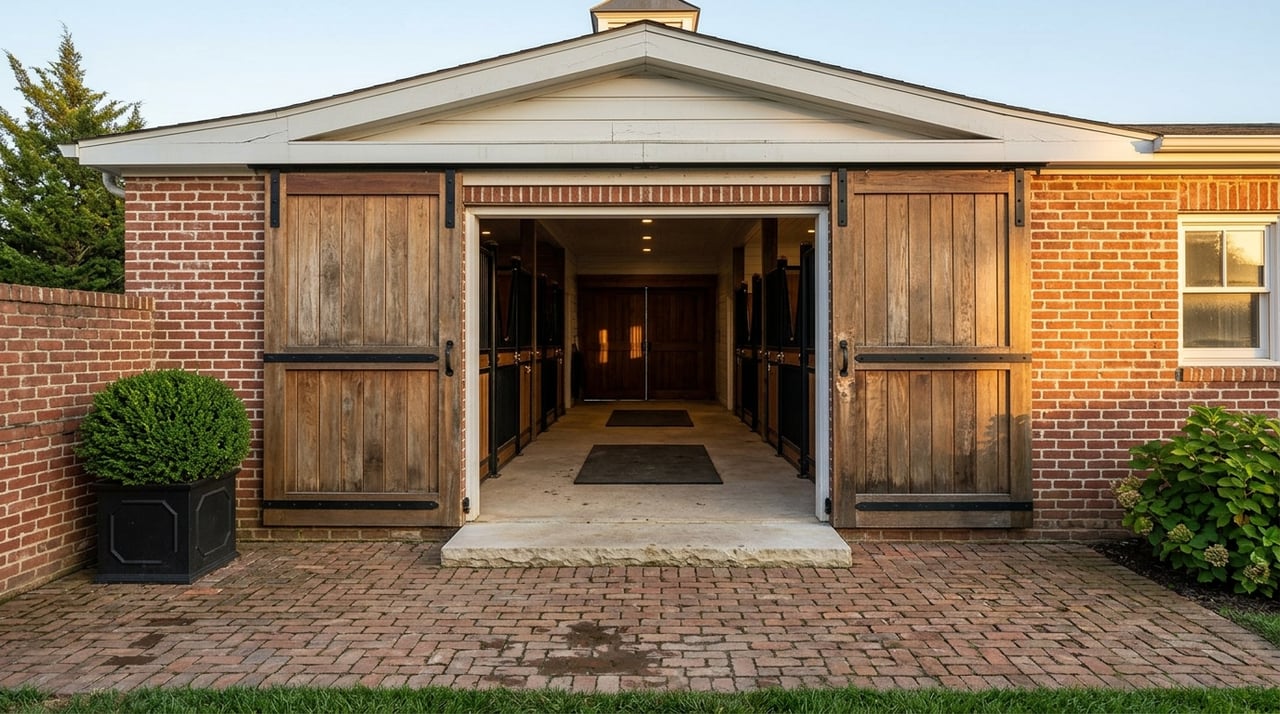
Plan for rural due diligence: septic and well inspections where applicable, zoning and setback rules, and understanding maintenance for private roads or fencing. If you want space for horses or hobby farming, list your required features early.
Commute, access, and location trade-offs
Georgetown sits along regional corridors with access to I‑75 and connections to I‑64. Many people commute to Lexington for work, healthcare, or amenities, while others work at local employers. Travel times vary by route and peak-hour traffic, so it is smart to test-drive your commute at the times you would normally travel.
Common trade-offs include commute time, lot size, price, and proximity to amenities. Some buyers give up a shorter drive to gain acreage and privacy. Others focus on neighborhoods closer to town for convenience. If school access matters to you, verify current attendance zones with Scott County Schools for any specific address.
If you want to anticipate future shifts in demand and traffic, follow county planning agendas for road projects and new commercial or residential approvals. Your agent can help you monitor those updates.
New construction and builder options
New-home communities can expand your choices. Builders often offer model homes, predictable timelines for spec homes, and warranties that reduce near-term maintenance. These developments also influence pricing for nearby resales.
Here is how to decide between new build and resale:
- New build: Lower maintenance and warranties with customization options. Budget for lot premiums, upgrades, landscaping, blinds, appliances, and HOA fees. Timelines vary by builder and build stage.
- Resale: Typically faster occupancy and sometimes more negotiating room. You may need to budget for updates or systems nearing the end of their useful life.
Ask your agent to compare builder incentives, preferred-lender credits, and expected completion dates against recent resale comps. If lot availability tightens, new-home prices can rise, which may shift value back to resales.
Offer strategies that fit Georgetown
In segments with tighter inventory, speed and preparation matter. Get fully pre-approved, so you can write a strong, clean offer quickly when the right home appears. Discuss whether an escalation clause makes sense for a competitive situation and always anchor your pricing to local comps.
Use standard contingencies wisely: financing, appraisal, and inspections are common. If you are considering changing or waiving contingencies, do it only with clear information and professional advice. For rural or older homes, expand inspections to include septic, well, roof, HVAC, and electrical as appropriate.
For new builds, get everything in writing, including start and completion timelines, change-order processes, and how warranties transfer at closing. Confirm what is included in the base price and which items are upgrades.
Your first 30-day buyer plan
Follow this simple checklist to get market-ready:
- Get pre-approved
- Choose a reputable local lender and request a full pre-approval, not just a pre-qualification. This clarifies your budget and strengthens your offer.
- Define must-haves vs. nice-to-haves
- List bedrooms, baths, commute needs, outdoor space, and special features like a workshop or barn. Rank them so you stay focused in a fast market.
- Connect with a local buyer’s agent
- Partner with an agent who works Scott County and the Lexington-Bluegrass MLS. Ask for auto-alerts that match your criteria and micro-markets.
- Decide on new build vs. resale
- Compare total costs and timelines, including upgrades, HOA dues, and move-in dates. If you need to move quickly, prioritize ready-to-close homes.
- Start your due diligence process
- Request seller disclosures and ask your agent for a comparative market analysis. If the property is rural or older, plan the right inspections early.
How we keep you informed
You deserve clarity at every step. Your agent should provide fresh MLS snapshots of inventory, days on market, sale-to-list ratios, and new listings by price tier. Ask for monthly updates that put Georgetown’s numbers in context with broader Central Kentucky trends from Kentucky REALTORS and household data from U.S. Census QuickFacts. With that foundation, you can make decisions with confidence.
Ready to explore homes, acreage, or new construction in Georgetown? Reach out to Janna Smith for local guidance, on-the-ground insights, and a calm plan to help you win the right home.
FAQs
Is Georgetown, KY a buyer’s or seller’s market?
- It varies by price range and neighborhood, so check current MLS inventory and days on market, and lean on LBAR updates for the most accurate local view.
How long do homes in Georgetown usually stay on the market?
- It depends on the micro-market and price band; your agent can pull current median days on market for your target areas from the local MLS.
What should first-time buyers focus on in Georgetown?
- Start with pre-approval, define must-haves, set up MLS alerts, and learn the differences among downtown, suburban, employment-adjacent, and rural segments.
Are there many new homes being built in Scott County?
- Yes, new construction is active at times; compare builder timelines and incentives with nearby resale comps to see where the best value is right now.
How is the commute from Georgetown to Lexington?
- Many residents make that trip daily; test-drive your route during your typical travel times to gauge peak vs. off-peak variability.
How do I verify school zoning for a specific address in Georgetown?
- Confirm attendance boundaries directly with Scott County Schools before you make an offer, since zones can change.
Where can I find reliable market data for Scott County?
- Check the Lexington-Bluegrass Association of REALTORS for local MLS-driven insights and statewide context from Kentucky REALTORS.